What if your morning started with a quiet walk under canopy trees, a quick Metra ride, and dinner at an Oak Park bistro just a few minutes from home? If you’re weighing a move out of the city but want to keep your routine simple and connected, River Forest could be the balance you’re after. In this guide, you’ll learn what daily life feels like, which homes you’ll find, how schools and commutes work, and what to know before you buy. Let’s dive in.
Where River Forest fits in Chicagoland
River Forest sits directly west of Chicago, bordered by Oak Park and Forest Park in Cook County. You get a compact village feel with residential streets and small commercial pockets, plus easy access to larger shopping and dining nearby in Oak Park and downtown Forest Park.
The overall vibe is calm and neighborhood focused. You’ll notice mature trees, established yards, and sidewalks that invite evening strolls. Walkability varies by block, but you can often reach parks, schools, or a Metra stop with a short walk or bike ride.
Neighborhood feel and architecture
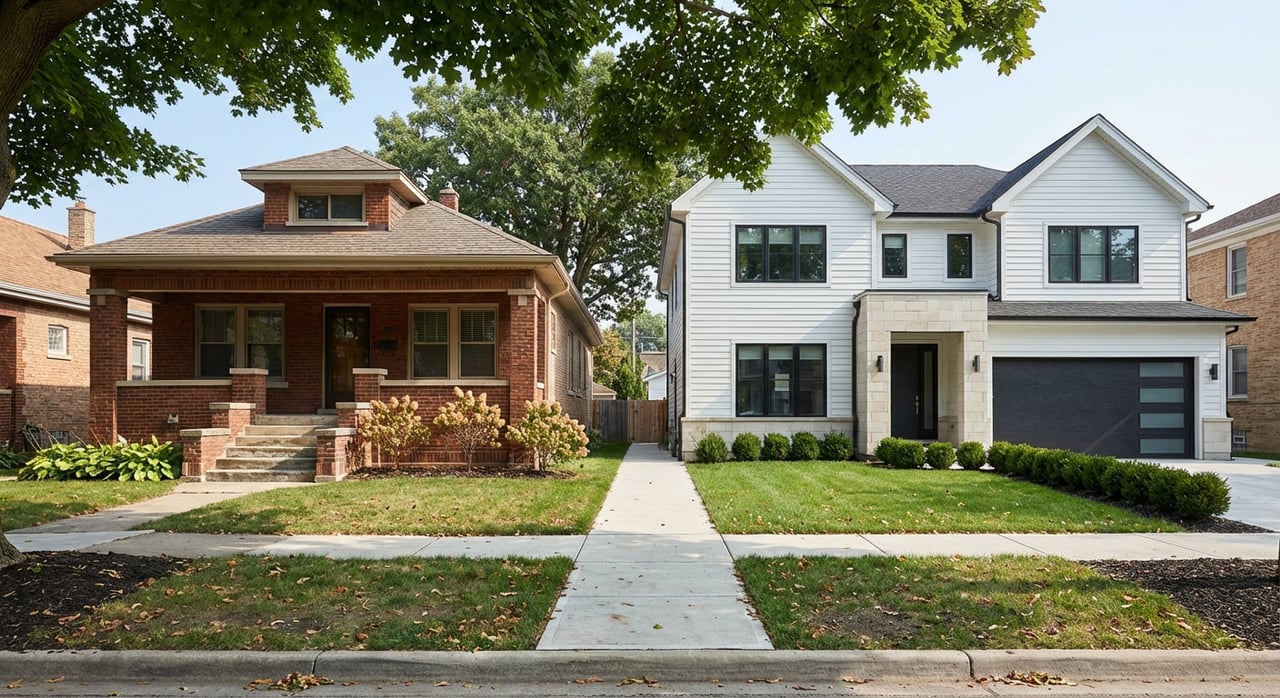
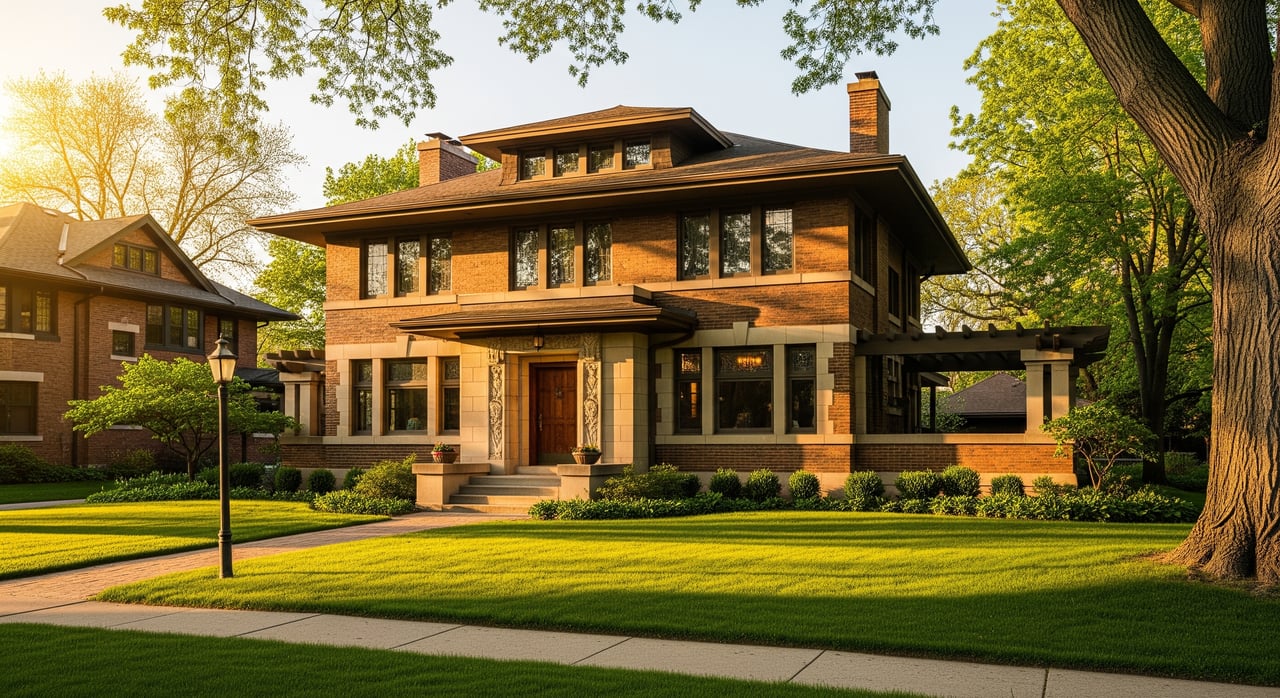
If you love character homes, River Forest delivers. Many streets feature early to mid‑20th century architecture, including Tudor and Colonial revival styles, bungalows, and handsome brick cottages. You’ll also find small clusters of condos and multi‑family buildings near transit and commercial corridors.
Lots are typically larger than in many city neighborhoods. Setbacks, lawns, and mature landscaping all add to the leafy, residential feel. The town’s civic life is active, with local events, library programs, park district activities, and neighborhood groups that make it easy to plug in.
Homes and the market
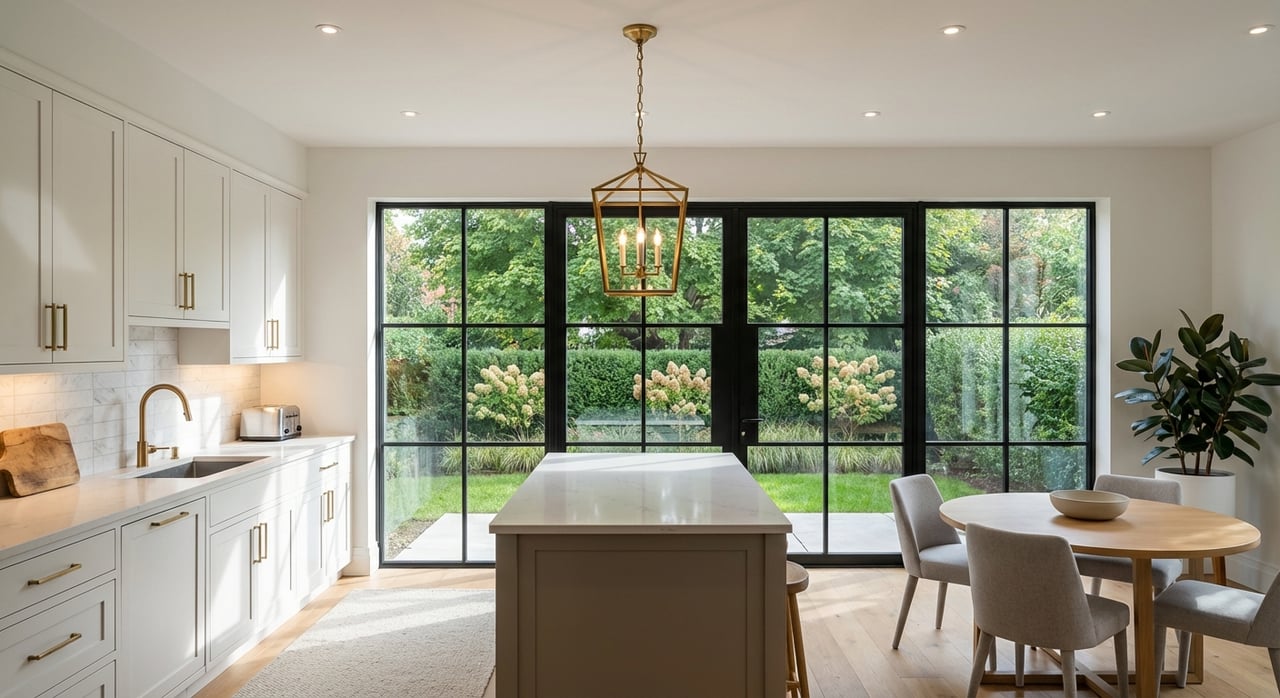
Most properties are owner‑occupied single‑family homes that have been well cared for over decades. With older homes, you should plan for potential updates to roofs, HVAC, plumbing, or electrical systems based on age and prior maintenance.
Prices in River Forest tend to run above many outlying suburbs due to the location, schools, and historic housing stock. Because market numbers change quickly, ask your agent for current MLS insights on recent sales, time on market, and inventory for your target streets. If you’re eyeing a historic home, budget for renovations and confirm any local preservation or permit requirements with the village before you commit.
For taxes and holding costs, Cook County property taxes are a meaningful line item. Before you make an offer, review the property’s tax history on the Cook County Assessor’s site and confirm payment history and exemptions on the Cook County Treasurer’s site. If the home is near waterways, ask your lender or insurance pro to check flood‑zone status and any related coverage needs.
Schools and learning options
River Forest is served by a local K–8 district, with high school through a shared district with Oak Park. For the most current boundaries and programs, go straight to the district sites: River Forest Public Schools, District 90 for elementary and middle grades, and Oak Park and River Forest High School, District 200 for high school.
Families often appreciate the local K–8 to regional high school path and the variety of courses and extracurriculars available. If you want to review official data, use the Illinois State Board of Education’s Report Card. You’ll also find nearby private and parochial options in neighboring communities. Always confirm enrollment timelines, tuition, and any waitlists directly with each school.
Getting around and commute
Commuting is straightforward if you prefer the train. River Forest is served by the Metra Union Pacific West Line, which connects directly to Chicago’s Ogilvie Transportation Center. Typical ride times to downtown fall in the tens of minutes; check the latest Metra UP‑W schedules for current timing and frequency.
For bus connections, review Pace routes serving the near‑west suburbs. CTA services are accessible in neighboring Oak Park. If you drive, major arterials like Lake Street and the I‑290 corridor are nearby. Travel times vary by time of day, so build in extra time during rush hour and consider a hybrid train‑and‑drive plan when it makes sense.
Parks, dining, and daily life
For recreation, the River Forest Park District runs leagues, classes, camps, and community events for all ages. You’ll also find pocket parks and playgrounds sprinkled throughout the village, plus nearby forest preserves for larger green‑space adventures.
The village has small commercial areas for coffee, services, and essentials, and you’re a short hop to Oak Park’s downtown corridor for restaurants, boutiques, and theaters. The River Forest Public Library hosts author talks, children’s programs, and seasonal events that bring neighbors together.
Healthcare access is convenient across the area, with primary care, dental, and specialty providers in River Forest, Oak Park, and Forest Park. Larger hospitals and specialty centers are a short drive away in the western suburbs or the city.
Safety and local services
River Forest provides its own municipal services, including police, fire, and public works. For details on village departments, services, permits, and meeting calendars, visit the Village of River Forest’s official website.
For crime and safety information, review recent data from local authorities and regional tools. Because trends change, check the village or police department pages for updates and consider signing up for community alerts once you move.
A day in the life
Picture a weekday morning: you walk the kids to school or bike together on quiet streets, then catch the UP‑West train to the Loop. After work, you meet friends for dinner along Lake Street in Oak Park before heading home to read on the porch under mature trees. Weekends bring youth sports at local fields, a library storytime, or a quick trip to Chicago for museums and a show. In River Forest, you get both: a slower daily pace and quick access to city culture when you want it.
What to know before you buy
Older‑home checklist:
- Inspect the roof, foundation, HVAC, plumbing, and electrical. Ask for ages of major systems and any permits on file.
- Scope the sewer line if recommended and confirm who maintains the lateral for your block.
- Ask about insulation, window condition, and energy‑efficiency updates.
Local rules and permits:
- Confirm zoning, setbacks, and exterior project guidelines with the village before planning additions or major updates. Start on the Village site for permit processes and contacts.
- If you suspect historic restrictions, ask specifically about design review, demolition delay, or local preservation guidelines.
Taxes and budgeting:
- Request the seller’s most recent tax bills and confirm exemptions. Cross‑check history on the Cook County Assessor’s site and the Cook County Treasurer’s site.
- Get insurance quotes early, especially for older homes or properties near waterways.
Commuting and parking:
- Compare Metra schedules with your work hours using the UP‑W schedule. Test a drive at your typical commute time to gauge traffic.
- For condos or multi‑family buildings, review parking policies and guest parking details.
Schools and programs:
- Verify attendance boundaries and program offerings with District 90 and OPRF High School.
- If you’re exploring private or parochial schools, ask about application windows and transportation options.
Is River Forest a fit for you?
Choose River Forest if you want a quieter, tree‑lined setting that still keeps you close to Chicago. You’ll find character homes, a local K–8 school community, and quick access to larger dining and cultural scenes in Oak Park and the city. If you value a manageable commute, neighborhood parks, and a strong sense of place, it is worth a close look.
When you’re ready to tour homes or compare micro‑neighborhoods street by street, we’re here to help. As Oak Park and River Forest locals, we’ll map your must‑haves to the right blocks, explain renovation tradeoffs with older homes, and build a winning plan for timing, pricing, and negotiations. Reach out to JLG Group to get started.
FAQs
How long is the River Forest commute to downtown Chicago?
- The Metra Union Pacific West Line connects River Forest to Ogilvie Transportation Center in the tens of minutes, depending on the train; check the latest UP‑W schedules. Driving times vary by time of day due to I‑290 traffic.
What types of homes are common in River Forest?
- You’ll see early to mid‑20th century single‑family homes in Tudor and Colonial revival styles, plus bungalows and brick cottages. Condos and small multi‑family buildings are clustered near transit and commercial corridors.
Which public schools serve River Forest residents?
- Elementary and middle grades are through River Forest District 90, and high school is through Oak Park and River Forest High School, District 200. Confirm boundaries and programs directly with each district.
Where do River Forest residents shop and eat?
- The village has local services and small commercial pockets, while nearby Oak Park’s downtown corridor along Lake Street offers a larger mix of restaurants, boutiques, and entertainment within minutes.
Are there rules for renovating older River Forest homes?
- Yes. Confirm zoning, setbacks, exterior design guidelines, and any historic or demolition‑delay rules with the village before planning work. Start with the permits and planning resources on the Village’s official site.
How do property taxes work for River Forest homes?
- Property taxes are assessed by Cook County. Review a home’s history on the Cook County Assessor’s site and confirm payment history and exemptions on the Cook County Treasurer’s site. Request the seller’s latest tax bills for accuracy.