Thinking about selling your vintage Oak Park home but not sure how to balance character with modern expectations? You’re not alone. Many sellers want to protect original details while giving today’s buyers the turnkey comfort they expect. In this guide, you’ll learn how to prioritize updates, navigate local rules, plan your timeline, and market your home so it stands out without losing its soul. Let’s dive in.
What Oak Park buyers want now
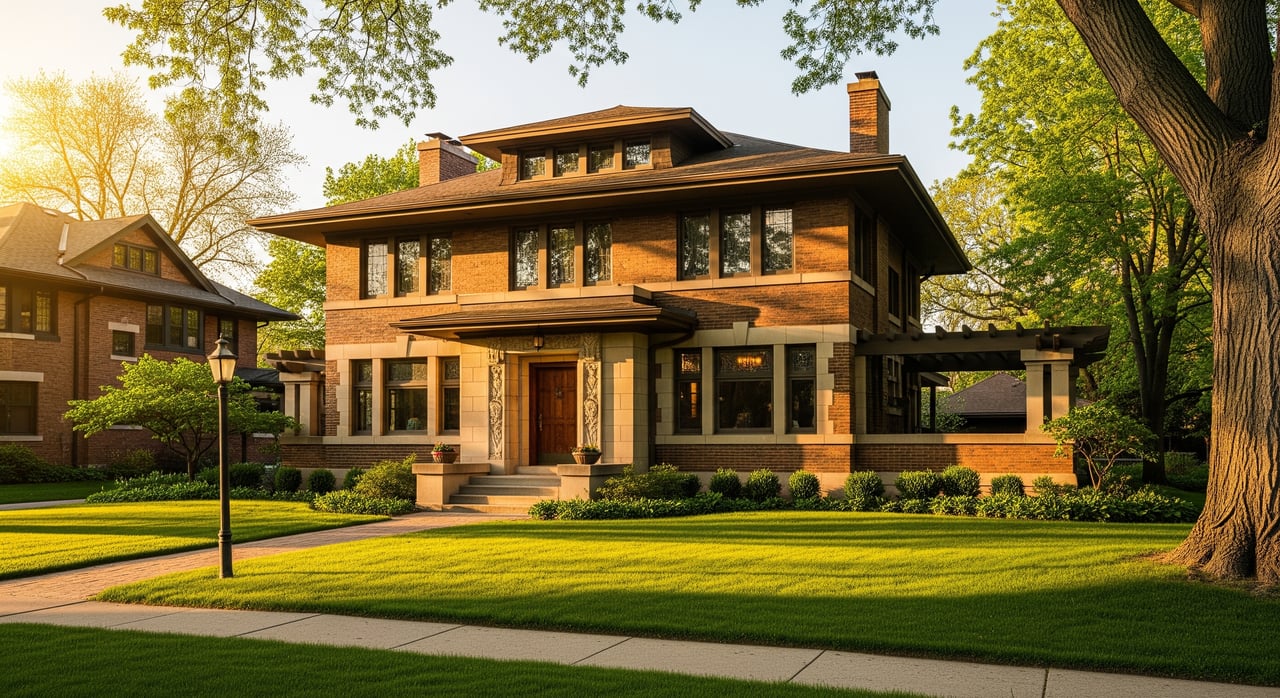
Oak Park attracts buyers who value historic charm, transit access, neighborhood identity, and proximity to local schools. Typical segments include move-up buyers who want more space, professionals who need an easy commute, downsizers seeking one-level living, and architecture enthusiasts who appreciate provenance.
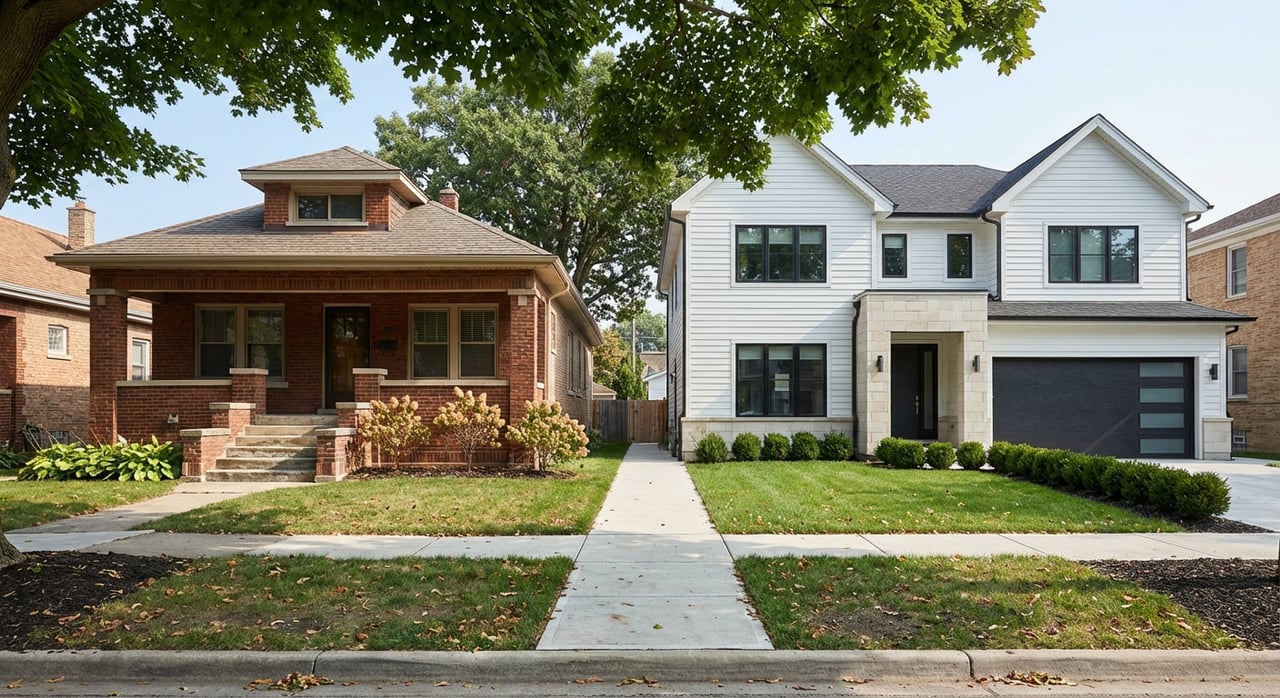
Across segments, buyers compare vintage homes with more modern, low-maintenance options. That means condition and functional updates often weigh heavily in their decisions. If you pair preserved details with reliable systems and thoughtful improvements, you boost interest and reduce negotiation risk.
Start with safety and systems
Before you pick paint colors, focus on the fundamentals. Safety and functionality come first. This approach protects your sale price and shortens time on market.
Pre-list inspection strategy
Schedule a general pre-listing inspection to flag structural and mechanical issues. Add a sewer scope since older clay lines are common. A radon test and a termite or wood-borer inspection are smart moves in this region. Service your HVAC and gather recent service records; consider a lead-based paint assessment if your home was built before 1978.
High-priority fixes to address
- Structure, roof, and foundation. Repair leaks, sagging, or cracks, or plan to disclose. Buyers price around unresolved issues.
- Electrical. If you have knob-and-tube wiring or undersized service, consult a licensed electrician about upgrades.
- Plumbing. Replace aging galvanized pipes where feasible.
- HVAC and water heaters. Service or replace aging units and document your work. Discrete solutions like zoning or ductless mini-splits can add comfort without major demolition.
- Moisture and pests. Improve grading, gutters, and drainage. Address any active pest activity.
Keep receipts, warranties, and inspection summaries. Documentation builds buyer confidence and supports stronger offers.
Make smart, high-impact updates
Once the big items are handled, focus on visible improvements that make your home feel fresh and functional. Aim for classic, not trendy.
Kitchens that support everyday living
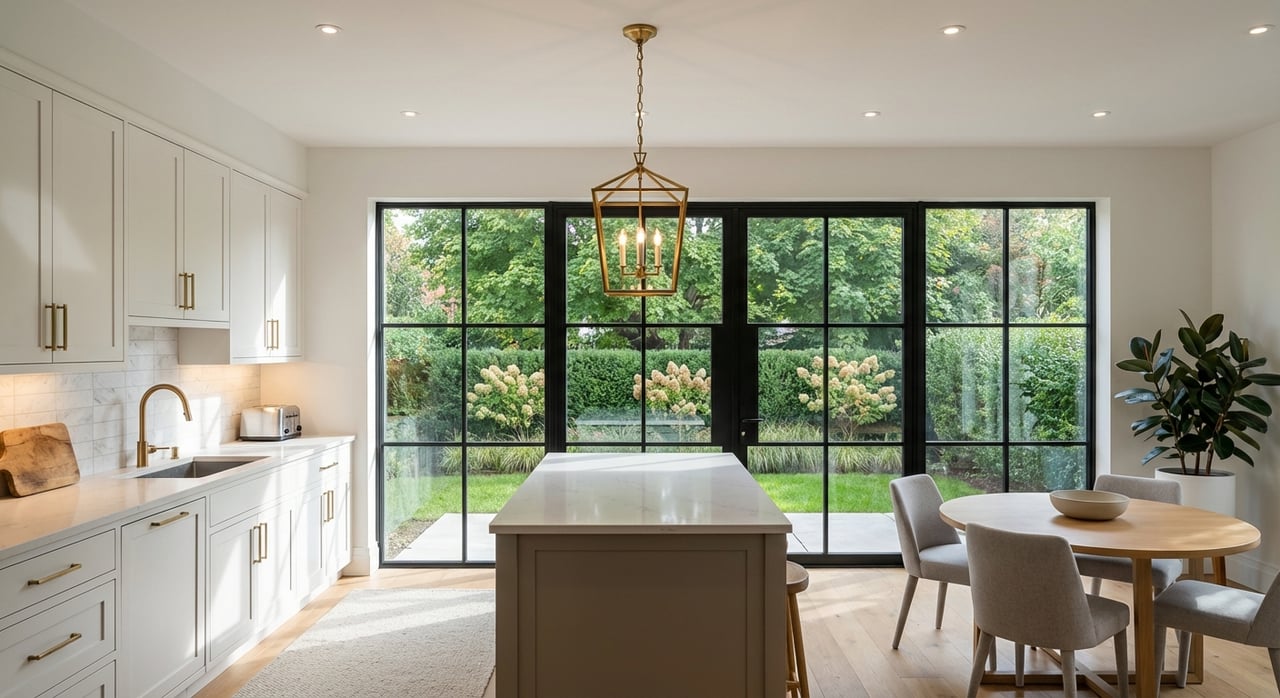
Buyers respond to function and light. Consider new countertops or a quality refinishing, updated hardware, bright task lighting, and modern appliances if your budget allows. Targeted updates often outperform full gut projects for resale. Keep traffic flow clear and storage accessible.
Bathrooms that feel updated and clean
Fix leaks, re-caulk and re-grout where needed, and refresh fixtures and mirrors. Good lighting, fresh paint, and simple, timeless finishes make a big difference without overspending.
Paint, floors, and trim
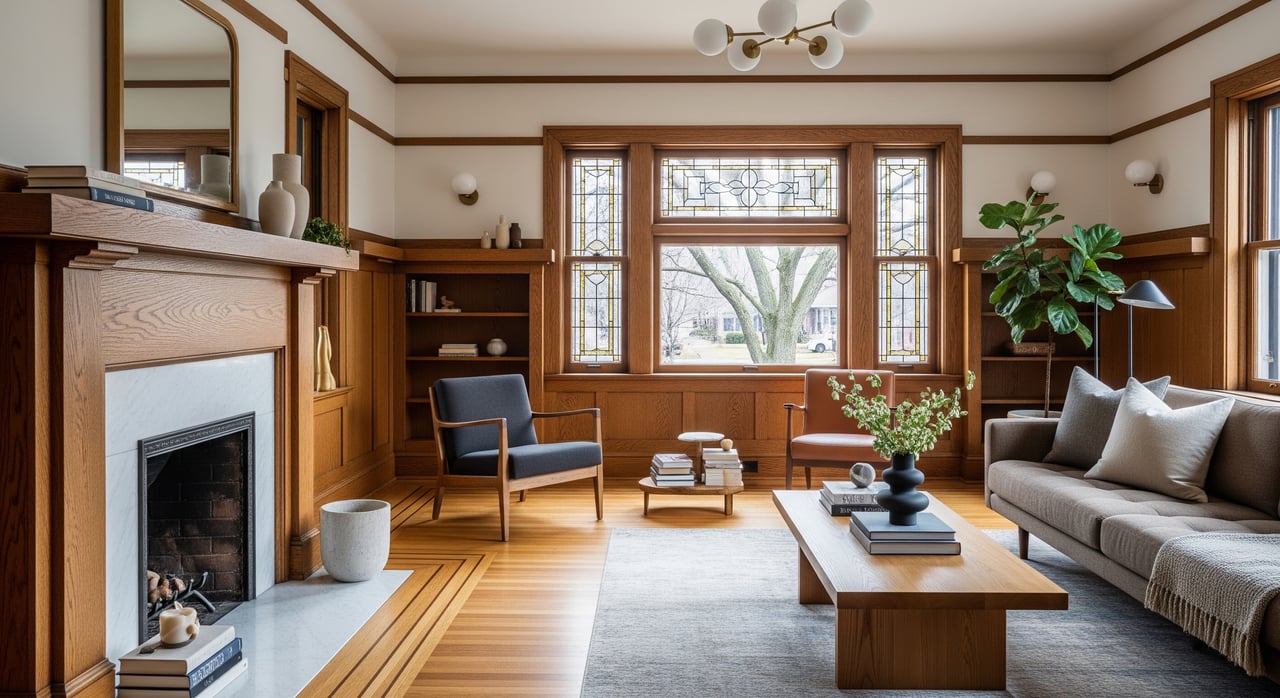
A consistent, neutral color palette highlights original millwork and built-ins. Refinish original hardwoods where possible and replace only damaged sections. Buyers of vintage homes appreciate intact floors and trim.
Curb appeal that welcomes
Tidy landscaping, a clean walkway, period-appropriate porch furniture, and a freshly painted front door help your photos pop. Consider updated exterior lighting for evening showings and a twilight photo.
Preserve character and boost efficiency
With historic homes, you can reduce energy waste without removing original features. Favor repair and restoration when feasible.
Windows and weatherization
Repair original windows if possible and add weatherstripping or storm windows to improve efficiency. In historic districts, full window replacements can require review, so plan early and protect original sash and trim when you can.
Insulation and comfort upgrades
Attic insulation is often the most cost-effective thermal improvement with minimal impact on character. Pair that with smart thermostats or discrete zone heating to improve comfort.
Smart features that blend in
Thoughtful additions like smart locks, a security system, or Wi‑Fi enhancements can be selling points when installed unobtrusively.
Know Oak Park rules and disclosures
Oak Park’s preservation and permitting process is important for vintage homes. Planning ahead keeps your timeline on track and avoids surprises.
Historic Preservation Commission and COA
If your home is in a historic district or is a designated landmark, exterior alterations typically require review and a Certificate of Appropriateness. Some interior work can trigger review if it affects exterior features. Start conversations with the Village’s Historic Preservation Commission early, especially for siding, windows, porches, rooflines, or significant landscaping changes.
Permits and timelines
Building permits are usually required for structural work, additions, major roof projects, and many mechanical, electrical, or plumbing replacements. Historic review and permits can add weeks to months, so bake that into your listing plan.
Lead, asbestos, radon, and Illinois disclosures
For pre-1978 homes, provide federal lead-based paint disclosures and the required EPA pamphlet. If you disturb painted surfaces, contractors must follow the EPA Renovation, Repair and Painting Rule. Asbestos may be present in older flooring adhesives, insulation, or siding, so use licensed pros if abatement is needed. Radon testing and mitigation are common in the area. Follow Illinois seller disclosure rules, including known material defects and neighborhood conditions, and consult your local attorney or agent for current requirements.
Stage and market the story
The right presentation helps buyers connect your home’s character with the comfort they want.
Visual assets buyers expect
Use professional photography to capture original millwork, stained glass, fireplaces, and built-ins, along with bright kitchen and bath images. A twilight exterior shot adds curb appeal. Provide floor plans and a 3D tour to show flow and proportions, especially if your layout is unique. Before-and-after photos and a document packet with permits, warranties, and inspection reports add credibility.
Staging that suits vintage homes
Choose furniture that fits room scale and leaves sightlines to built-ins and trim. Neutralize color and clutter while keeping warmth. In smaller kitchens and baths, clear counters and organize storage to demonstrate everyday usability.
Messaging that sells
Lead with authenticity. Pair phrases like “original details preserved” with concrete, recent upgrades, such as “updated electrical and repiped plumbing.” Highlight proximity to transit, downtown Oak Park amenities, parks, cultural landmarks, and local schools without making subjective claims.
Timeline and budget planning
A clear plan keeps your sale moving and focused on return.
Quick decision framework
- Will the work require historic review or a building permit? If yes, talk to the Village before starting.
- Does the work preserve historic fabric? Favor repair over removal.
- Will the improvement improve marketability to Oak Park buyers? Prioritize safety, systems, kitchen and bath function, and curb appeal.
Typical timeline scenarios
- Light prep: cleaning, paint, staging, and minor repairs can take 2 to 6 weeks.
- Moderate prep: systems servicing, kitchen and bath cosmetic updates, and floor refinishing can take 6 to 12 weeks.
- Major work: permit or COA-required exterior changes or structural repairs can extend 3 to 6 months or more.
Budget guidance
Cosmetic refreshes are often the most cost-effective. Targeted kitchen or bath updates deliver strong perceived value without over-improving. Systems and safety upgrades can be more expensive, but they reduce negotiation risk and help buyers feel confident. Always get multiple bids from licensed contractors and confirm timelines and payment schedules in writing.
Your action plan checklist
- Order a general home inspection and sewer scope. Add radon and termite tests.
- Fix safety issues and address roof, foundation, and moisture problems. Save all invoices and warranties.
- Update electrical hazards and bring service up to code where needed.
- Service or replace HVAC and water heaters and compile service records.
- Refinish hardwood floors, touch up trim, and apply fresh neutral paint.
- Tackle kitchen and bath improvements focused on function, lighting, and simple finishes.
- Boost curb appeal with landscaping, porch repair, front door paint, and exterior lighting.
- Stage the home, book professional photography, and prepare floor plans and a 3D tour.
- Assemble a documentation packet: inspection reports, permits, warranties, and maintenance records.
- If applicable, consult the Village on historic review and permits before any exterior work.
Why partner with JLG Group
Selling a vintage home in Oak Park takes local knowledge, a calm plan, and strong execution. We bring two decades of neighborhood expertise and a concierge approach to preparation, staging, and marketing. With Compass tools and access to Concierge services, we help you prioritize updates, coordinate pros familiar with historic homes, and elevate your listing with premium photography, floor plans, and targeted outreach.
We also lean into documentation and transparency. We organize your inspection reports, permits, and warranties so buyers feel confident and motivated to act. From pricing with fresh, local comps to negotiation and closing, our focus is a smooth process and a premium outcome.
If you’re weighing which updates matter most or how to time your move, we’re here to help you plan step by step. Ready to get started? Connect with the JLG Group and Request Your Free Home Valuation.
FAQs
What should Oak Park sellers fix first in a vintage home?
- Start with safety and systems: structure, roof, electrical, plumbing, HVAC, and moisture control. Then move to kitchens, baths, paint, floors, and curb appeal.
Do I need approval to change windows in an Oak Park historic district?
- Many exterior changes, including windows, require Historic Preservation Commission review and a Certificate of Appropriateness. Consult the Village before starting.
How do I handle lead-based paint in a pre-1978 Oak Park home?
- Provide required federal disclosures and the EPA pamphlet. If work will disturb painted surfaces, ensure contractors follow the EPA Renovation, Repair and Painting Rule.
Are pre-list inspections worth it for vintage homes in Oak Park?
- Yes. A general inspection plus sewer scope, radon, pest checks, and HVAC service help you prioritize repairs, document condition, and reduce renegotiation risk.
Which updates offer the best ROI for Oak Park vintage homes?
- Targeted kitchen and bath refreshes, fresh paint, hardwood refinishing, and curb appeal improvements tend to deliver the most predictable return at resale.
How long does it take to prepare a historic home for sale in Oak Park?
- Light prep can take 2 to 6 weeks. Moderate prep often takes 6 to 12 weeks. Projects needing permits or historic review can extend 3 to 6 months or more.