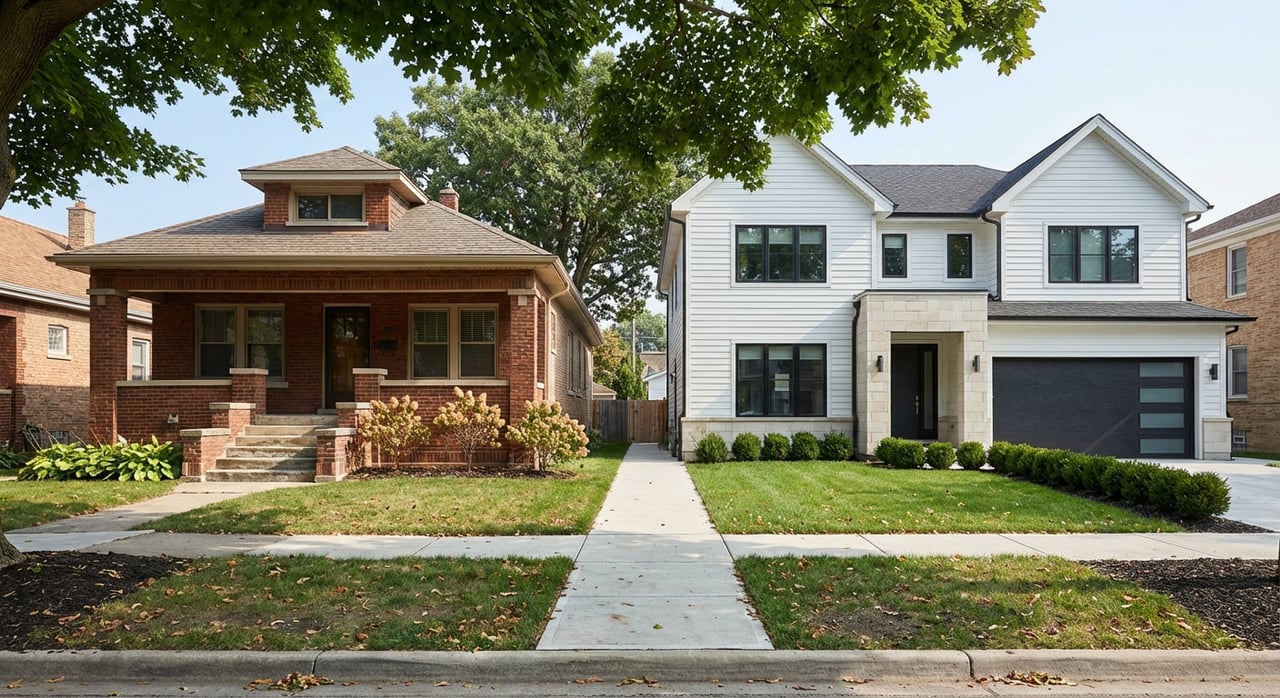
Torn between the charm of a La Grange bungalow and the convenience of a new build? You are not alone. Each path offers real benefits, from walk-to-town character to move-in-ready comfort. In this guide, you will compare layout, maintenance, energy use, costs, timelines, and resale so you can choose with confidence. Let’s dive in.
Why La Grange sets the stage
La Grange sits about 13 miles west of Chicago with two BNSF Metra stations that make many downtown rides about 20 to 30 minutes. Proximity to the La Grange Road station shapes demand for both vintage homes and new builds near the village core. Historic streetscapes and a defined downtown also make smaller lots and front porches a lifestyle win for many buyers.
A large share of local homes were built from the late 1800s through the 1920s–1930s. That is why you will see classic bungalows, Prairie School influences, and period details throughout the village. The local government maintains planning and review bodies, which can affect exterior changes and new construction timing. You can confirm processes through the village’s official channels.
On pricing, market indicators from major providers in early 2026 place typical La Grange home values broadly in the mid-hundreds of thousands to around $600,000. Because different data sources track different things, verify a single number with the MLS or a local agent before you set expectations.
What a La Grange bungalow offers
Layout and character
Classic La Grange bungalows tend to have compact, efficient footprints with defined living and dining rooms, period woodwork, and built-ins. Many include full basements, front porches, and mature landscaping. You get a warm, human-scaled feel that is hard to replicate in new construction.
Maintenance focus areas
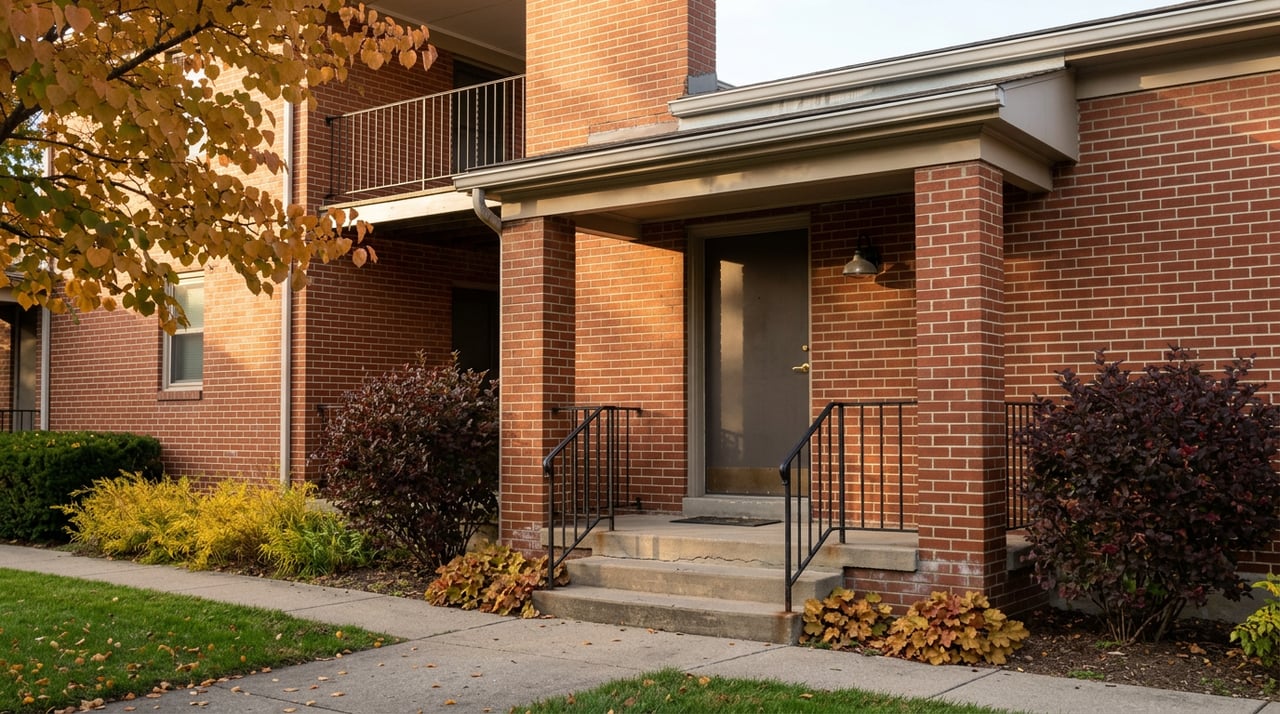
Vintage homes reward care. Common inspection priorities include masonry and tuckpointing, wood window repair vs. replacement, roof age, chimney condition, basement waterproofing, older plumbing, and electrical panel capacity or knob-and-tube replacement. The Chicago Bungalow Association maintenance guide lists practical checklists you can use during due diligence.
Energy upgrade potential
Older homes may start with less insulation, single-pane windows, and legacy heating systems. The good news is that a smaller footprint and full basement often make targeted weatherization and a heat-pump conversion cost-effective. Strategic air sealing, insulation, and modern HVAC can lower monthly bills while preserving original character.
What a new build delivers
Space and modern features
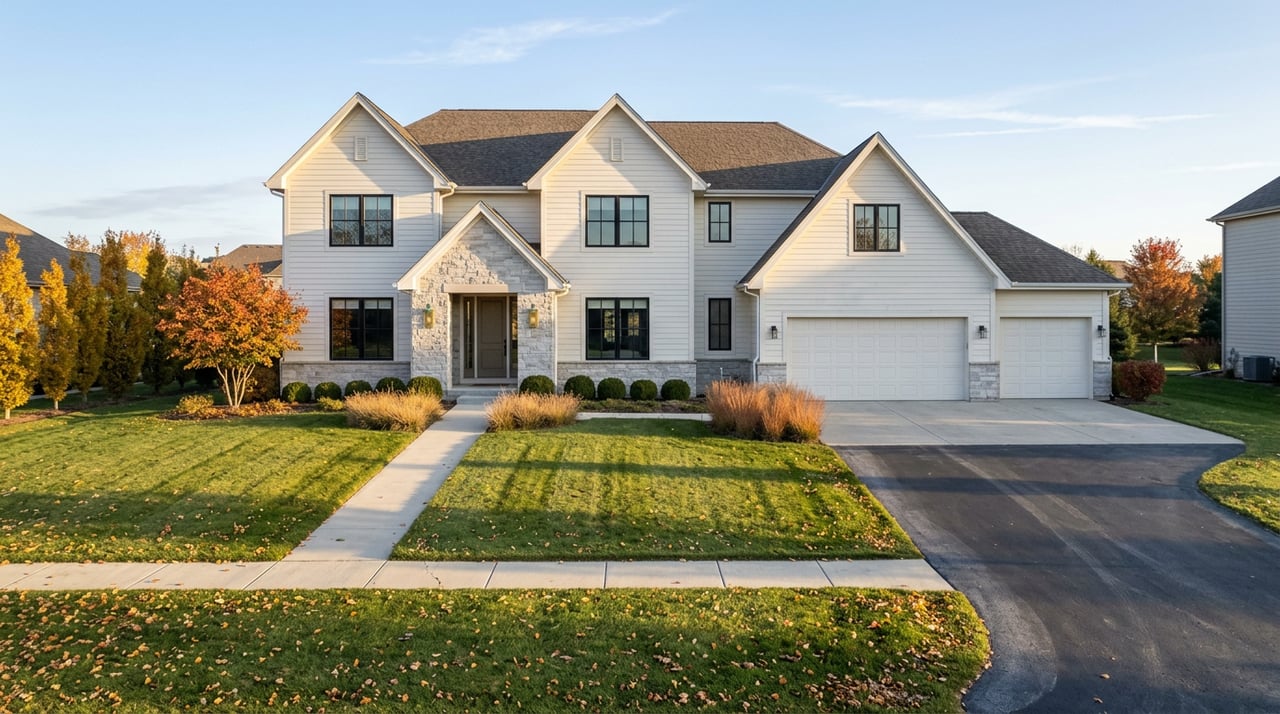
New construction commonly offers open-plan kitchens and family rooms, larger primary suites, walk-in closets, attached two-car garages, and higher ceilings. You get purposeful storage, flexible work-from-home space, and layouts designed for today’s routines.
Lower immediate maintenance and warranties
With a new roof, new mechanicals, and modern wiring and plumbing, maintenance needs are lighter in the early years. Builders often provide warranties and post-close support. Landscaping will take time to mature, but the systems behind the walls should be set for years.
Efficiency features and labels
New homes can include high-performance envelopes, heat pumps, mechanical ventilation, and readiness for solar. Some builders pursue efficiency programs that signal performance. You can review available certifications and incentives through ENERGY STAR’s new homes resources.
Cost, financing, and taxes
Renovation cost benchmarks
If you are comparing “buy and update” to “buy new,” it helps to ballpark major projects. National averages from Cost vs. Value list examples like vinyl window replacement around $22,000, an asphalt shingle roof around $32,000, a minor kitchen remodel around $28,000, and a basement remodel around $52,000. See current benchmarks at Cost vs. Value. Local Chicago-area bids can differ, so use these only as a starting point.
Renovation and construction financing
If you want to purchase a bungalow and upgrade it, the FHA 203(k) Rehabilitation Mortgage and Fannie Mae’s HomeStyle Renovation/Refresh programs let you roll purchase and rehab into one loan. These options come with specific documentation and inspection steps but can make the numbers work for a character home.
For new builds, some buyers use construction-to-permanent loans, and certain efficient new homes may qualify for energy-related incentives through builder programs. Ask for details on any builder-offered financing or credits.
Property taxes after improvements
Significant additions or a new build can change assessed value and taxes. Review how Cook County approaches assessments and appeals in the Cook County Assessor FAQs so you understand potential shifts after work is complete.
Location, curb appeal, and resale
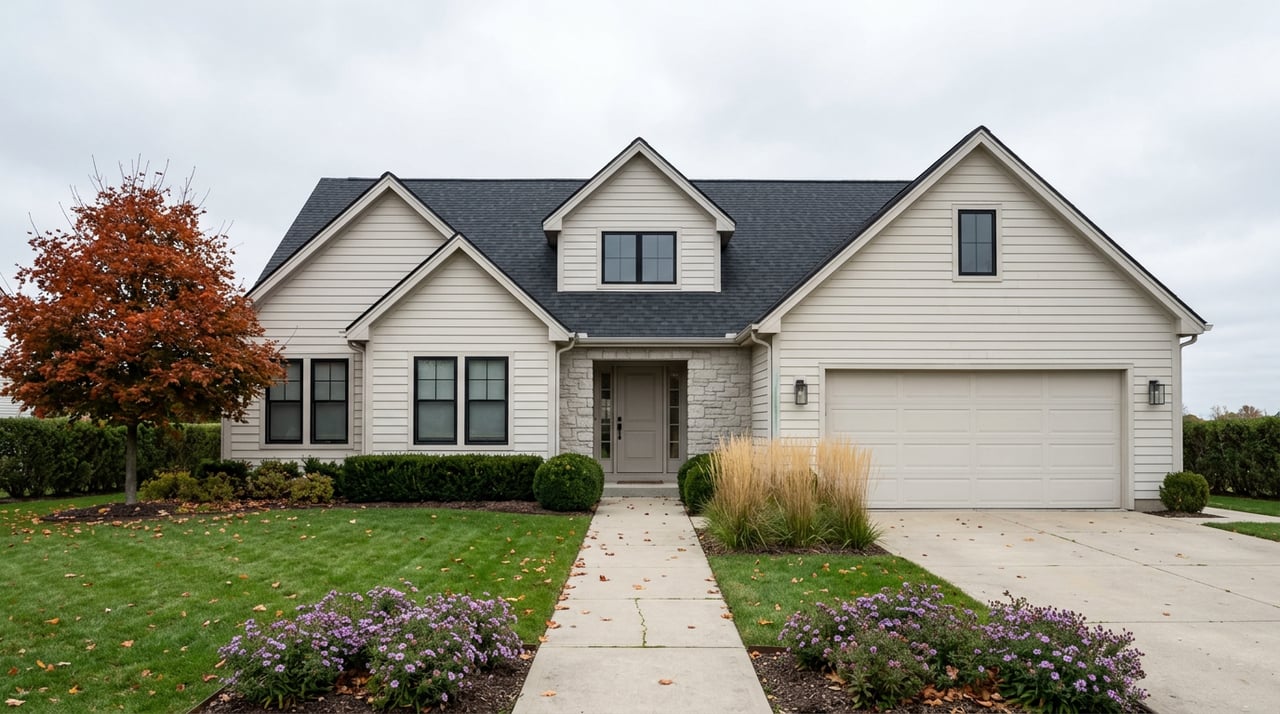
Bungalows near downtown often deliver instant curb appeal with mature trees, front porches, and period façades. New homes can offer a crisp, contemporary look. In La Grange, proximity to the train and village amenities plays a big role in buyer interest for both styles.
On resale, well-maintained bungalows and well-located new builds both perform in school-focused, transit-served suburbs. The difference often comes down to taste, quality of updates, and specific block location. The best way to compare is to review MLS comps for similar homes on the same or nearby streets.
Red flags to check in vintage homes
- Foundation movement or settlement cracks
- Signs of basement water or past flooding
- Old electrical systems, undersized panels, or visible knob-and-tube
- Galvanized plumbing supply lines and aging sewers
- Deteriorated windows, roofing, or chimneys
- Lead-based paint on original trim; plan for safe, professional mitigation if disturbed
Value-add upgrades that often pay back
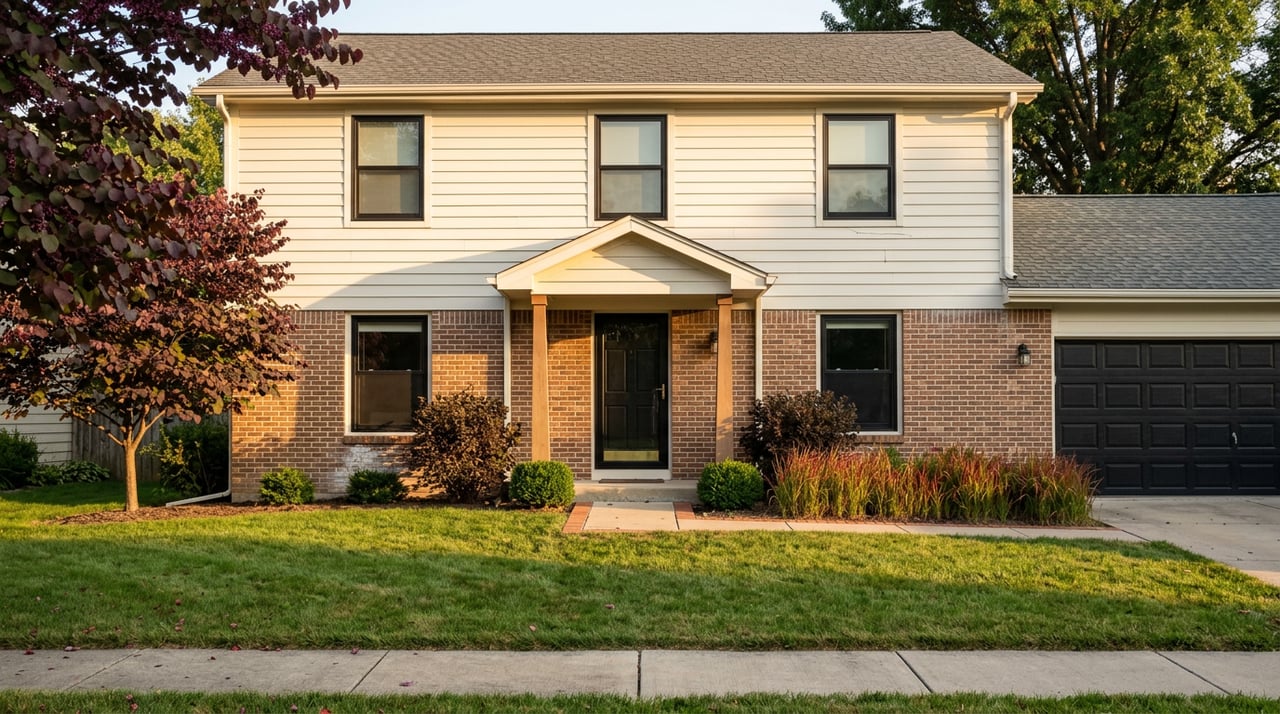
- Targeted exterior refreshes such as a new garage door or entry door
- Energy-wise updates: air sealing, insulation, and HVAC modernization
- Kitchen and bath refreshes that keep period character
- Window repair or thoughtful replacements consistent with the façade Use current Cost vs. Value benchmarks and local comps to estimate potential recapture.
Your decision checklist
- Define must-haves: bedrooms, primary suite, garage, yard, commute time, and budget. Include a 10 to 15 percent contingency for immediate updates.
- For any bungalow: schedule a full inspection and, if needed, specialist checks for roof, masonry, electrical, plumbing, and basement waterproofing. Use the Chicago Bungalow Association checklists to structure your review.
- For any new build: ask for mechanical specs, insulation levels, HVAC type, and any HERS, ENERGY STAR, or similar certifications. Request warranty terms and a landscaping timeline.
- Line up financing early: if renovating, speak with lenders about FHA 203(k) or Fannie Mae HomeStyle; for new construction, confirm construction-to-permanent loan details and draw schedules.
- Compare MLS comps by block and by style. Look at recent sale prices, days on market, and the quality of finishes to see how buyers value each option.
Timeline and permitting in La Grange
Both major renovations and new builds require permits, inspections, and time. Significant exterior changes, especially in or near historic areas, can involve design review that adds steps. Check submittal requirements and timelines with the village’s Community Development team before you start. New builds will also involve site work, utility coordination, and multiple inspections that can extend the schedule.
The bottom line
Choose a bungalow if you love character, walk-to-town living, and are open to targeted updates. Choose a new build if you want space, convenience, and lower near-term maintenance. In La Grange, either path can be a smart long-term move when the location is right and the numbers make sense.
Want an easy, local head start? We will help you compare options, line up inspections, and model costs so you can buy with clarity. Reach out to the JLG Group for a friendly consult.
FAQs
Will a bungalow in La Grange cost more to maintain than a new build?
- Often yes in the short term if major systems are original, but targeted energy and mechanical upgrades can lower operating costs and support resale.
Can I modernize a La Grange bungalow’s floor plan without losing value?
- Yes. Thoughtful interior updates and careful exterior preservation typically maintain or improve value; work with pros who know historic homes and local rules.
Which renovations tend to recoup the most on resale?
- National data shows select exterior projects and moderate kitchen refreshes often recoup well; use local comps to refine expectations for your specific home.
How long do permits and reviews take in La Grange?
- Timelines vary by scope; major additions or new builds can take months from submittal to final inspection. Check requirements with Community Development early.
What is the commute like from La Grange to downtown Chicago?
- Many BNSF Metra trains from La Grange reach downtown in about 20 to 30 minutes, which is a key reason homes near the stations attract strong interest.