If you are house hunting in the western suburbs, Elmwood Park may catch your eye for a simple reason: it offers a lot of single-family-home character without always landing in the highest local price tier. For many buyers, that balance matters. You want a home with space, stability, and long-term potential, but you also want a market that feels manageable. This guide will help you understand what single-family homes in Elmwood Park usually look like, what the market is doing, and what to watch for before you make an offer. Let’s dive in.
Why Elmwood Park Appeals to Buyers
Elmwood Park has a housing profile that stands out in a useful way for buyers focused on detached homes. According to the CMAP housing profile, 62.4% of occupied households are owner-occupied, and 53.4% of all housing units are one-unit structures. That means single-family living is a meaningful part of the village’s housing mix, not a small niche.
The area is also defined by older housing stock. CMAP reports a median year built of 1956, with more than half of the housing stock built before 1960. For you as a buyer, that usually means more established homes with original character, mature streetscapes, and renovation potential, rather than large numbers of newer construction homes.
What the Market Looks Like
Elmwood Park sits in a middle-priced range compared with some nearby communities. Recent data shows different numbers depending on whether you are looking at sale prices or listing prices, which is normal. Redfin’s Elmwood Park market snapshot reported a March 2026 median sale price of $307,500, about 3 offers per home, and 50 days on market, while Realtor.com’s February 2026 local snapshot reported a median listing price of $265,000 and 68 homes for sale.
The key takeaway is not the exact number. It is the pattern. Elmwood Park appears competitive, but not overheated, which can give you more room to evaluate homes carefully while still being prepared to move when the right one appears.
How Elmwood Park Compares Nearby
If you are deciding between several western suburban options, local comparison helps. Based on Redfin market data, Elmwood Park’s median sale price in March 2026 was above River Grove’s $277,500 and below Oak Park’s $340,000 and Harwood Heights’ $385,000. Days on market were also in the middle of the pack.
That positioning matters if you are trying to balance cost, pace, and housing type. Elmwood Park is not simply a low-cost fallback, and it is not the most expensive nearby option either. For many buyers, it lands in a practical middle ground.
What Single-Family Homes Usually Look Like
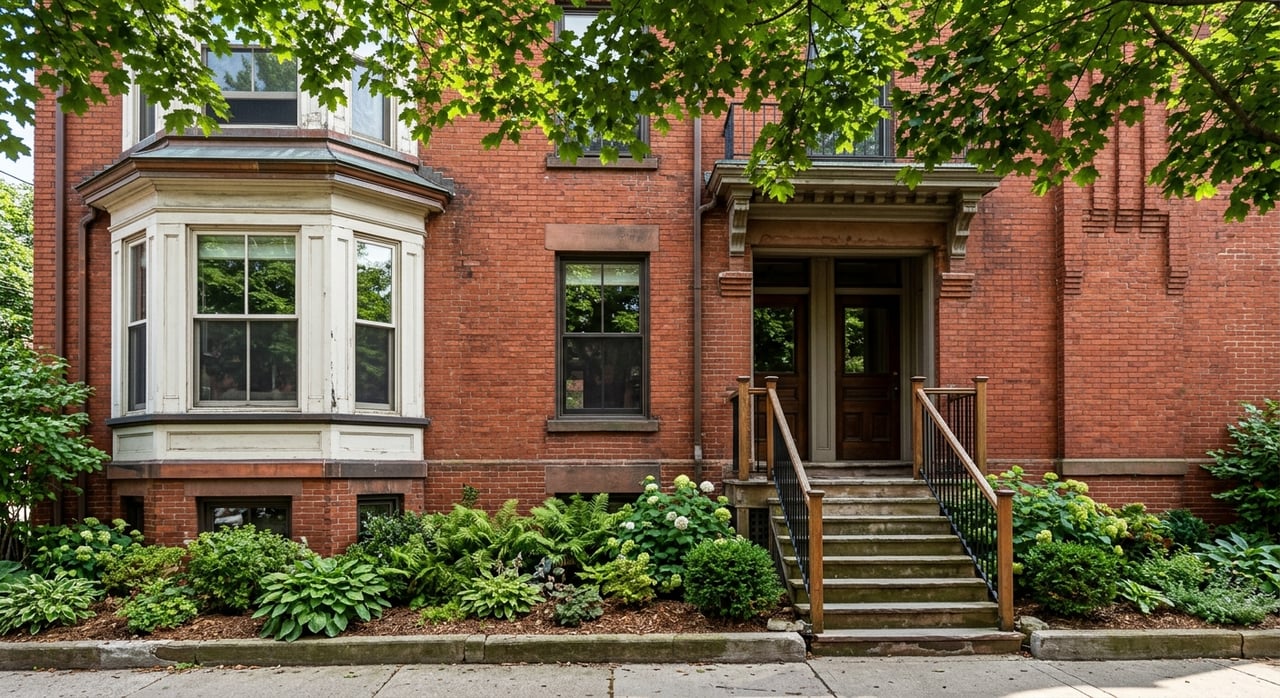
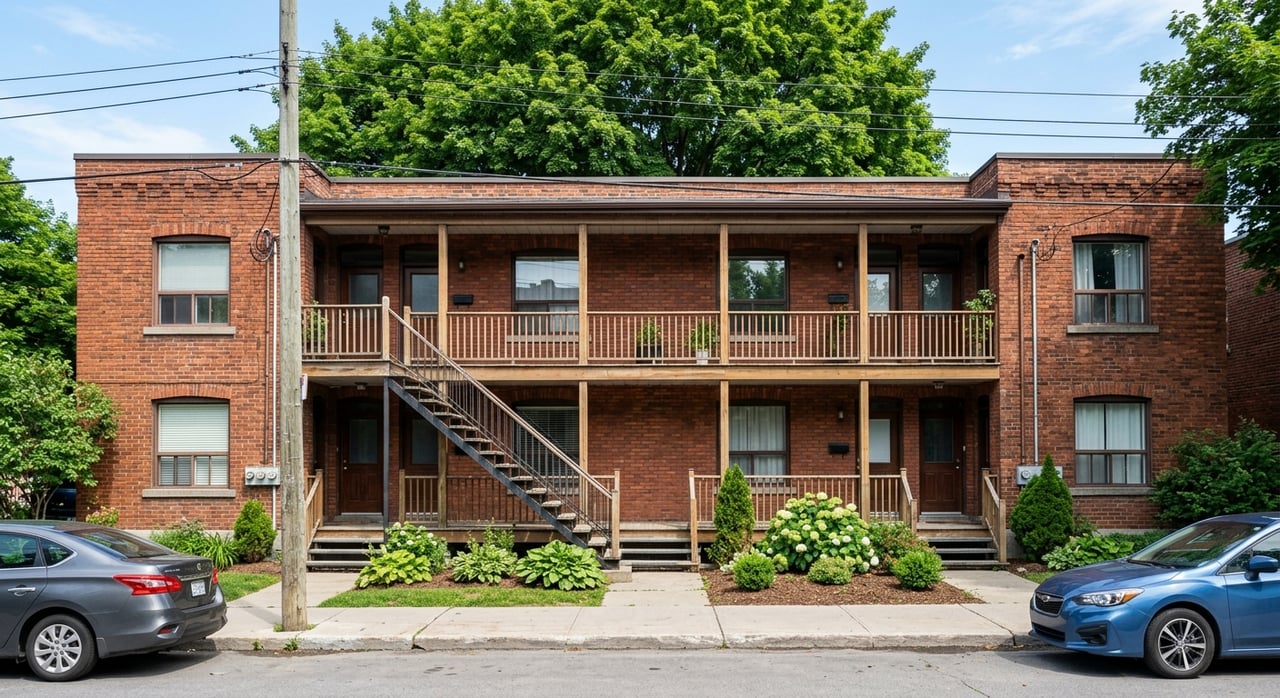
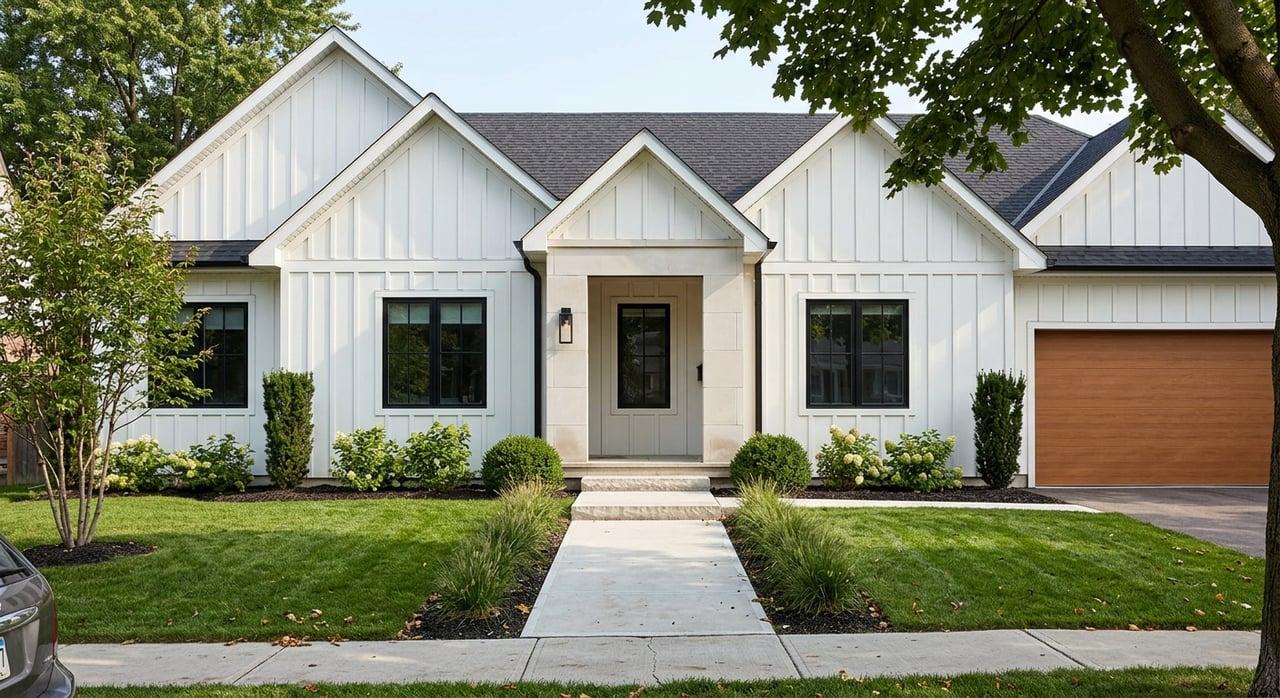
In Elmwood Park, single-family often means brick bungalow, not oversized suburban new build. The village’s comprehensive plan notes that the housing stock includes about 9,600 units, with roughly 54% single-family homes. It also identifies bungalows, especially John Mills Westwood homes, as a signature local style.
These homes often feature brick facades, tile roofs, stained glass windows, basements, and attic space that may be finished later. If you are searching here, expect many homes to feel compact but efficient. You may find practical layouts, older details, and opportunities to personalize unfinished or updated spaces over time.
Expect Modest Lots
Lot sizes in Elmwood Park are usually more modest than what you might find in farther-out suburbs. Under the village zoning code, single-family detached homes are allowed in R-1, R-1A, and R-1B districts, with minimum lot areas of 3,750, 5,000, and 6,200 square feet, and minimum lot widths of 30, 40, and 50 feet respectively, according to the Elmwood Park zoning code.
In real terms, that often means you should expect a more compact yard and a neighborhood pattern with homes placed closer together. For many buyers, that tradeoff works well because it can support a more established, close-in suburban feel.
What Buyers Should Watch During Tours
Because much of Elmwood Park’s housing stock dates to the mid-century era or earlier, condition matters. Cosmetic updates can be appealing, but you will want to look beyond finishes and focus on the systems and structure that affect your long-term costs.
When touring homes, pay close attention to:
- Roof age and visible wear
- Exterior brick or masonry condition
- Basement moisture or drainage signs
- Older plumbing materials or patchwork updates
- Electrical panel age and wiring updates
- HVAC age and maintenance history
- Whether prior renovations appear professionally completed
These are especially relevant in an older housing market where even attractive homes may have a mix of updated and original components.
Why Inspections Matter More Here
A strong inspection process is essential in Elmwood Park. Fannie Mae notes that a home inspection can reveal safety concerns, maintenance issues, structural problems, and illegal installations, with key areas including electrical, plumbing, foundation or crawlspace, walls, roof, and HVAC. In a village where many homes were built before 1960, those points are especially relevant.
You should also be aware of age-related health and renovation considerations. The EPA notes that homes built before 1978 may contain lead-based paint, and older homes are more likely to have it. Since Elmwood Park has a heavily older housing stock, you should go in prepared for the possibility that lead-safe renovation practices may be needed, especially if original painted surfaces remain.
Check Permit History
Another smart step is reviewing permit history when possible. The village’s Code Administration and Building Department handles permits and pre-sale inspections and states that it follows current building, residential, electrical, plumbing, and HVAC codes.
For you, that means permit history can help clarify whether major updates were likely completed through the proper process. This is especially useful if a home has a remodeled attic, basement updates, newer mechanicals, or an addition.
How to Prepare Financially
Even in a more approachable price band, financing has a major effect on affordability. Freddie Mac’s PMMS reported a 30-year fixed mortgage average of 6.30% on April 16, 2026. That means your monthly payment can shift significantly based on rate, down payment, and purchase price, even if the list price itself feels reasonable.
Before you shop seriously, it helps to know your comfortable payment range, not just your maximum approval amount. That can keep you focused and make decision-making easier when you find a home that needs quick action.
Get Preapproved Early
The Consumer Financial Protection Bureau recommends getting a preapproval letter before shopping so you can understand your budget and present a clearer offer to sellers. In Elmwood Park, where homes may attract multiple offers but the pace is not frantic, preapproval can help you act quickly without feeling rushed.
Getting documents ready early can also reduce stress later. If a good bungalow hits the market and checks your boxes, you do not want financing paperwork to slow you down.
Look Into Buyer Assistance
Some buyers may also benefit from state programs. The Illinois Housing Development Authority says its Access Home program currently offers first-time homebuyers assistance equal to 6% of the purchase price, up to $15,000, to help with down payment and closing costs.
If you are buying your first home, that kind of assistance may improve your flexibility. It can help you preserve cash for repairs, moving costs, or updates after closing.
What Makes an Offer Strong
In Elmwood Park, the strongest offer is not always the highest number on paper. In a somewhat competitive market, sellers often respond well to buyers who look prepared, responsive, and realistic about the condition of an older home.
A strong offer often includes:
- Verified preapproval
- Clean, complete financial documentation
- Fast communication
- A realistic inspection approach
- Flexibility when appropriate on timing or minor repair items
That matters because many single-family homes here come with age-related inspection findings. If you stay organized and understand which issues are common versus deal-breaking, you can negotiate with more confidence.
A Smart Buying Mindset for Elmwood Park
Elmwood Park is a good market for buyers who value character, practicality, and location. You are more likely to find established brick homes, modest lots, and older systems than shiny new construction. That is not a drawback if you know what you are buying and plan carefully.
The best approach is to balance charm with due diligence. Look for homes where the layout, structure, and long-term fit make sense for you, then evaluate condition, financing, and renovation needs with clear eyes. When you do that, Elmwood Park can offer a strong path to single-family homeownership in the western suburbs.
If you want help comparing homes, understanding local market pace, or building a smart offer strategy, JLG Group is here to guide you with calm, local insight and personalized support.
FAQs
What is the typical single-family home style in Elmwood Park?
- Most single-family homes in Elmwood Park are compact brick bungalows, often with basements, attic space, and mid-century details.
How competitive is the Elmwood Park housing market for buyers?
- Recent market data describes Elmwood Park as somewhat competitive, with about 3 offers per home and around 50 days on market.
What should buyers inspect carefully in older Elmwood Park homes?
- Buyers should pay close attention to the roof, masonry, basement moisture, plumbing, electrical, HVAC, and permit history for past renovations.
Are Elmwood Park lots usually large?
- Most buyers should expect modest lots, since village zoning for single-family districts sets minimum lot sizes that are smaller than in many farther-out suburbs.
Should first-time buyers consider assistance programs in Elmwood Park?
- Yes. Eligible buyers may want to review IHDA assistance options, including programs that can help with down payment and closing costs.