Wondering if living near Brookfield Zoo Chicago is a dream setup or a trade-off you need to think through carefully? If you are considering Brookfield, it helps to look past the headline attraction and understand how daily life really feels near the zoo. From parks and housing character to event traffic and seasonal activity, here is what you should know before you buy or sell in this part of Brookfield. Let’s dive in.
Why Brookfield Gets Attention
Brookfield is an established inner-ring suburb about 13 miles west of downtown Chicago. According to the village’s comprehensive plan, it is a roughly 3.1-square-mile community with Ogden Avenue running through town and convenient access to I-290 and I-55.
The village also describes Brookfield as predominantly residential and fully developed. That matters if you are hoping for a classic suburban setting with existing homes, mature streets, and a community that already has its core amenities in place.
Brookfield Zoo Chicago is one of the area’s best-known landmarks. The zoo spans 235 acres and, according to the zoo’s visitor information, is open daily except Thanksgiving and Christmas, with access by bus, train, or car.
Pros of Living Near Brookfield Zoo
Access to a Major Local Amenity
Living near the zoo means you are close to one of the western suburbs’ most recognizable attractions. For many buyers, that adds a sense of place and makes the area feel active, established, and easy to talk about with friends and family.
You may also enjoy being near a destination that offers year-round visits and seasonal events. The zoo’s official calendar includes programs like Glow Wild, Roaring Nights concerts, Dino Dash, Dinos After Dark, and Zoo Uncorked, which helps create a lively rhythm during parts of the year.
Park-Rich Surroundings
If outdoor space matters to you, Brookfield has a strong park presence. The village says it maintains almost 70 acres of public parks, along with forest preserve property, open land on school properties, and zoo property within village limits, according to the comprehensive plan.
That same plan identifies community parks such as Jaycee-Ehlert and Kiwanis Park North, and notes that many village parks include playgrounds, tennis courts, and baseball fields. In practical terms, that gives you more options for recreation beyond the zoo itself.
Jaycee-Ehlert Park is also seeing improvements. Current village redevelopment materials describe updates that include an inclusive playground, shelter upgrades, ballfield work, a new soccer field area, and trail and accessibility improvements in the Ehlert Park redevelopment project materials.
Established Housing Stock
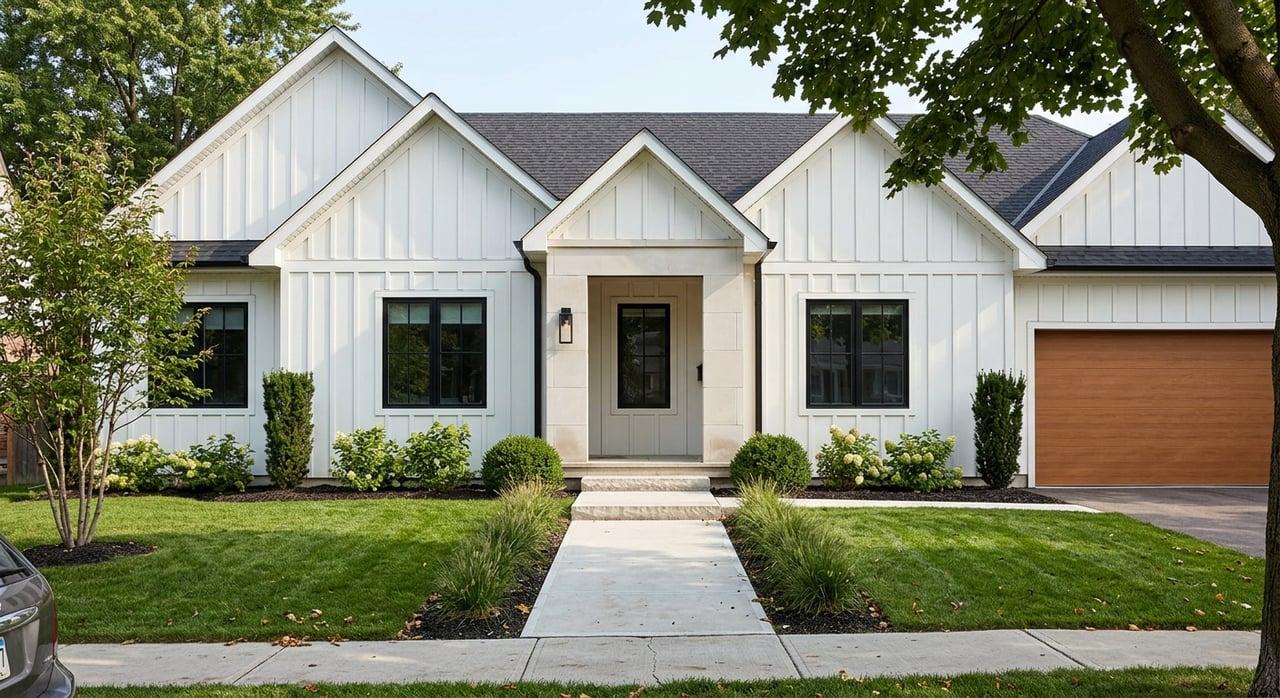
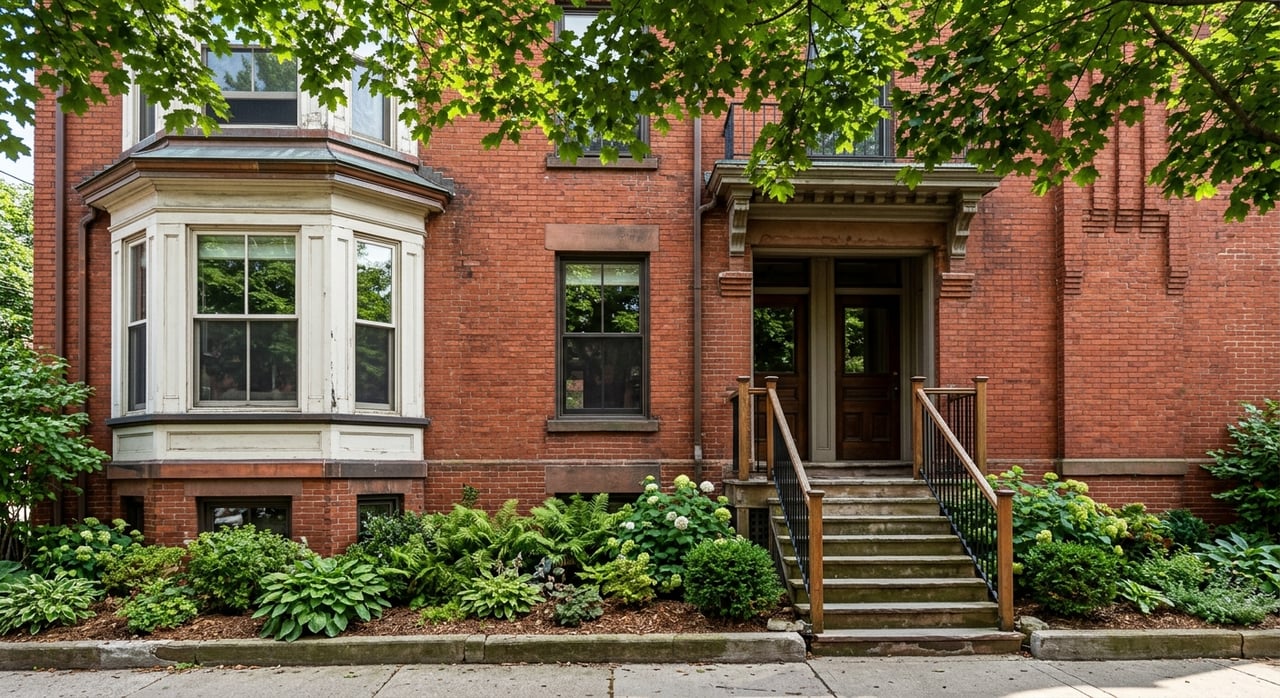
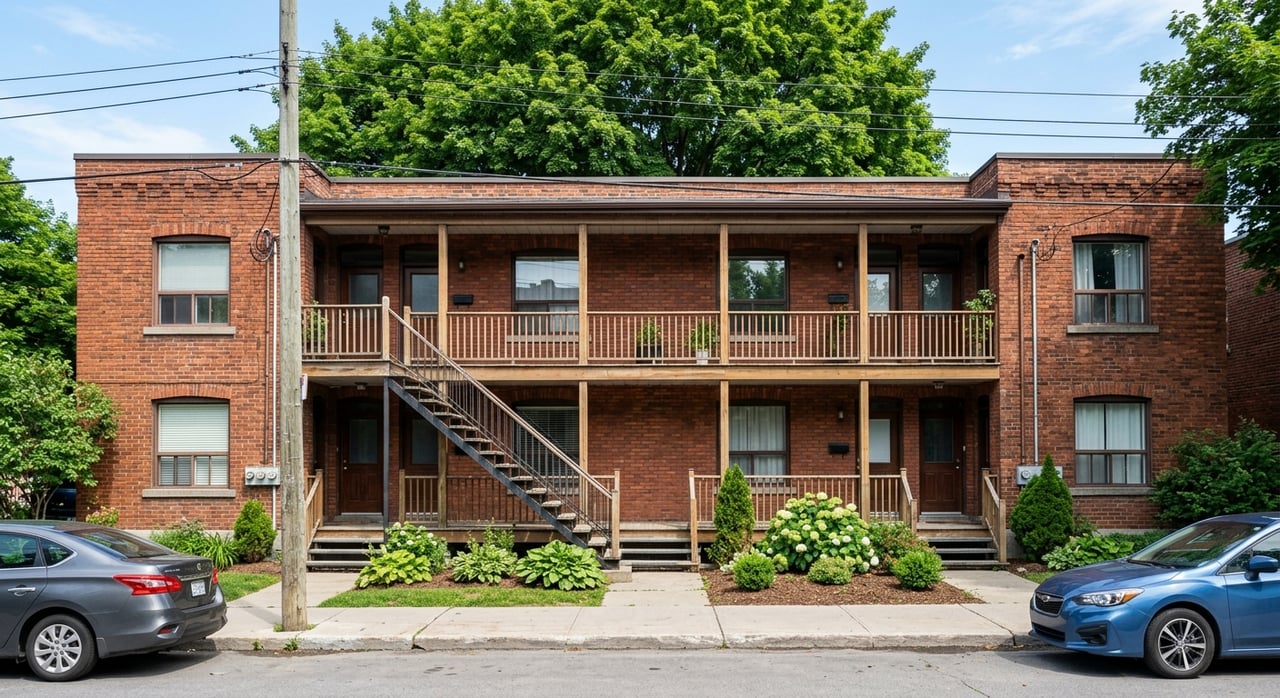
Brookfield’s housing character is another draw for many buyers. The village says single-family detached homes are the predominant land use, while attached options include townhomes, rowhomes, and duplexes, based on the comprehensive plan.
This can appeal to buyers who want an established suburban feel rather than a newer subdivision environment. Census QuickFacts also shows an 81.8% owner-occupied housing unit rate, which supports the picture of a homeownership-heavy market.
A Residential Community Feel
One of the biggest positives is that Brookfield is not just a destination. It is a residential village first, with the zoo woven into the local identity rather than overwhelming it.
The village’s planning documents specifically support the zoo’s continued operation while also recommending transportation improvements that strengthen the Brookfield-zoo partnership. That signals an effort to balance local quality of life with the benefits of a major regional amenity.
Cons of Living Near Brookfield Zoo
Busier Streets Near Entrances
The biggest trade-off is traffic. Because the zoo has multiple entrances and on-site parking for cars, vans, and buses, homes closest to 31st Street, Golfview Avenue, and Golf Road are the most likely to feel added traffic and parking pressure on weekends and event nights.
This is not based on a formal traffic study. It is a reasonable inference from the zoo’s official access information and event activity, but it is still something you should experience in person before making a decision.
Noise Can Be Seasonal
If you are sensitive to noise, timing matters. The zoo’s after-hours events and concerts suggest that noise may spike during certain parts of the year rather than staying the same all year.
That means your experience can vary quite a bit depending on how close you are to the zoo and what season it is. Summer evenings and special event dates may feel more active than winter weekdays.
Rail Noise in Some Areas
The zoo is not the only source of sound to think about. Brookfield also has a combined freight and commuter rail line that runs through the community, and homes near the tracks may experience additional noise.
For some buyers, this is a minor issue. For others, it is a major quality-of-life factor, so it is worth visiting a property at different times of day if you are serious about the location.
Limited New Construction Options
If your goal is a brand-new home in a large planned development, Brookfield may not be the easiest fit. The village’s 2022 ACFR describes Brookfield as completely developed, which means buyers near the zoo are often choosing from existing homes rather than waiting for major new subdivisions.
That is not necessarily a negative. Many buyers prefer established homes and neighborhoods, but it does mean your search may require more flexibility on layout, updates, or lot features.
What Daily Life Feels Like
Seasonal Activity Matters
Living near the zoo comes with a changing pace through the year. Based on the zoo’s event and parking information, the area tends to feel more active during warm-weather weekends, special events, and evening programming.
During quieter parts of the year, the rhythm may feel more typical of an established suburban neighborhood. If you like some seasonal energy without constant bustle, that balance may work well for you.
Local Events Add to the Rhythm
The zoo is not the only thing shaping activity in Brookfield. The Brookfield Farmers Market runs Saturdays from June 6 through October 31, 2026, from 8:00 a.m. to 1:00 p.m. at 8820 Brookfield Avenue, with live music, family-friendly activities, and nearby parking options.
For some residents, this kind of local event adds charm and convenience. For others, it is another reminder that certain times of year bring a bit more movement and activity around town.
How to Choose the Right Block
Think Beyond "Near the Zoo"
Not every home near Brookfield Zoo will feel the same. A house immediately adjacent to one of the main access points may have a very different day-to-day experience than one that is still nearby but set a little farther away from entrance traffic.
That is why the best location for you may be a short distance from the zoo rather than right next to it. You can still enjoy the area’s benefits while reducing some of the busiest-day drawbacks.
Visit at Different Times
If you are buying in Brookfield, try to visit a target block more than once. A weekday afternoon, a weekend midday, and an evening during event season can each tell you something different.
This simple step can help you gauge traffic flow, parking conditions, and general noise levels. It can also help you decide whether a specific pocket of Brookfield matches your routine and comfort level.
Is Living Near Brookfield Zoo Right for You?
This part of Brookfield can be a great fit if you want an established suburb with strong park access, predominantly single-family housing, and proximity to a well-known regional attraction. It may be especially appealing if you value character, convenience, and a community feel over brand-new construction.
The main trade-off is simple: the closer you are to zoo entrances and event activity, the more likely you are to notice traffic, parking pressure, and periodic noise. For many buyers, the sweet spot is finding a home close enough to enjoy the area, but far enough away to preserve a calmer everyday setting.
If you are thinking about buying or selling in Brookfield or another western suburb, JLG Group can help you weigh the details that do not always show up in a listing, from block-by-block feel to pricing strategy and timing.
FAQs
What are the main benefits of living near Brookfield Zoo in Brookfield?
- The biggest advantages are access to a major local attraction, proximity to parks and open space, established housing stock, and a residential suburban setting with seasonal community activity.
What are the biggest downsides of homes near Brookfield Zoo Chicago?
- The main drawbacks are likely to be heavier traffic, more parking pressure near zoo entrances on busy days, and periodic noise tied to events and nearby rail activity.
Is Brookfield a good place to find single-family homes?
- Yes. Brookfield’s comprehensive plan says single-family detached homes are the predominant land use, which supports its established suburban housing character.
Are there parks near Brookfield Zoo besides the zoo itself?
- Yes. Brookfield maintains almost 70 acres of public parks, and village documents highlight places like Jaycee-Ehlert Park and Kiwanis Park North.
Does Brookfield have a lot of new construction near the zoo?
- Brookfield is described by the village as completely developed, so buyers are generally more likely to choose from existing homes than large new-build subdivisions.
How can you tell if a Brookfield block near the zoo is a good fit?
- A smart approach is to visit the area at different times, including weekdays, weekends, and event evenings, so you can observe traffic, parking, and noise for yourself.