Thinking about trading your Chicago condo or townhome for more space in Oak Brook? It can be an exciting move, but it is also a very different kind of ownership experience. If you are wondering how prices, housing styles, commuting, and day-to-day life compare, this guide will help you understand what to expect before you make the jump. Let’s dive in.
Why Oak Brook Feels Different
Oak Brook is not just another close-in suburb. It is a small, low-density village about 15 miles west of Chicago, with about 8,188 residents across 7.96 square miles and a homeownership rate of 91.1%.
For many Chicago buyers, that means a clear lifestyle shift. You are moving from a denser, building-based setup into a place where ownership is more often tied to land, lot size, and subdivision rules.
Oak Brook also stands out because it is both a residential community and a major job center. The village reports about 2,000 employers and 60,000 jobs within 5.3 square miles, so traffic flow, office access, and timing can play a bigger role in your daily routine than you might expect.
What Housing Looks Like in Oak Brook
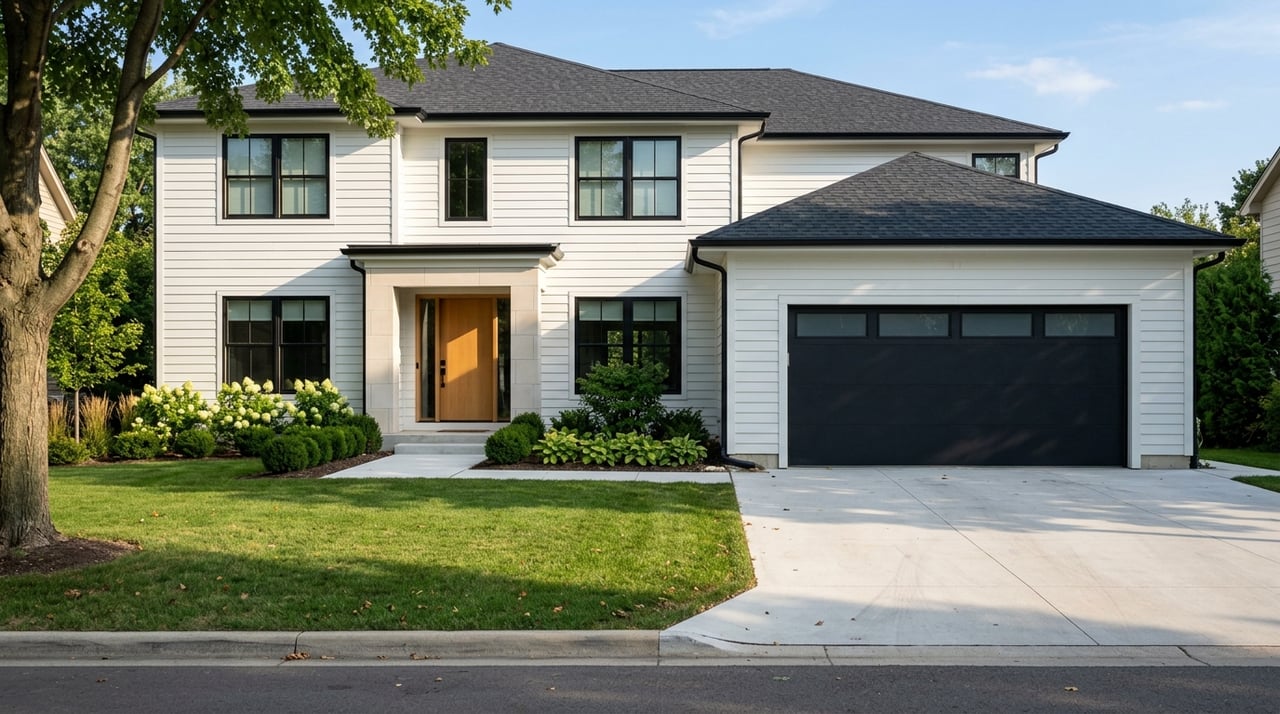
Detached homes lead the market
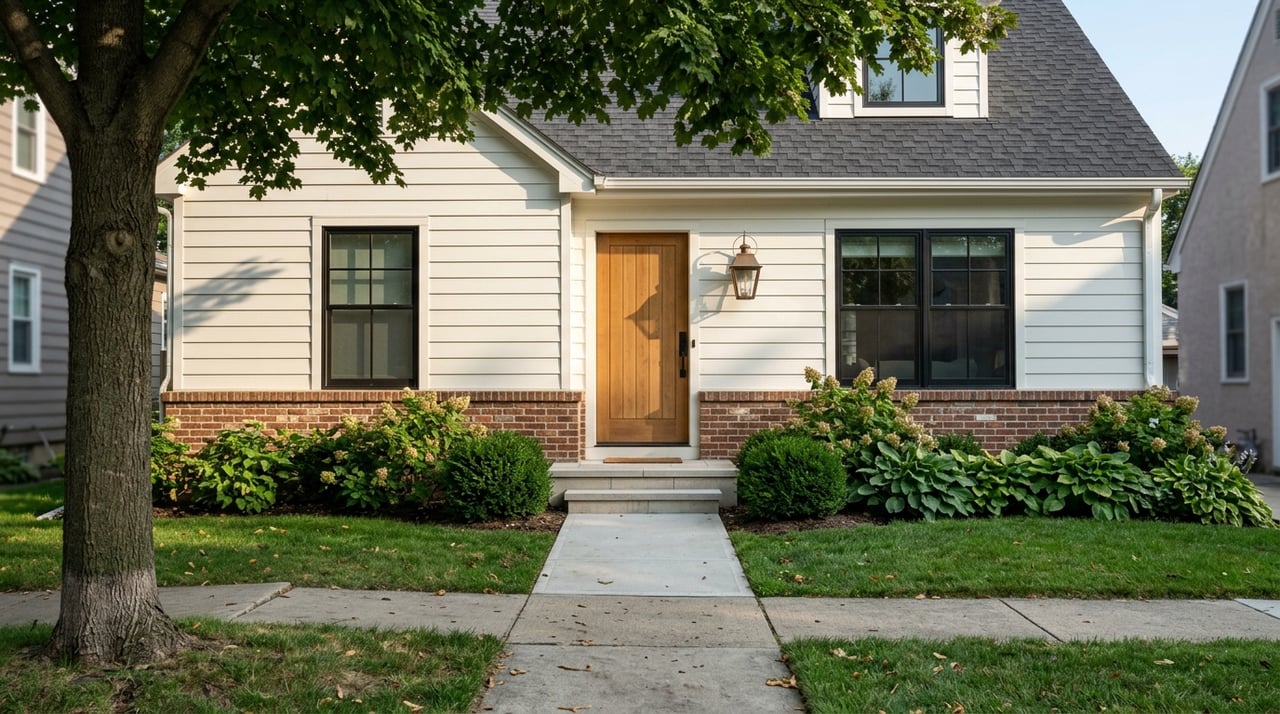
Oak Brook’s zoning framework strongly favors low-density single-family homes. In some residential districts, lot sizes can be very large, including one-acre minimum lots in certain R2 areas.
That matters if you are coming from a condo or townhome in Chicago. Instead of comparing one building to another, you may be comparing lot sizes, setbacks, private subdivision rules, and maintenance expectations.
Attached homes do exist
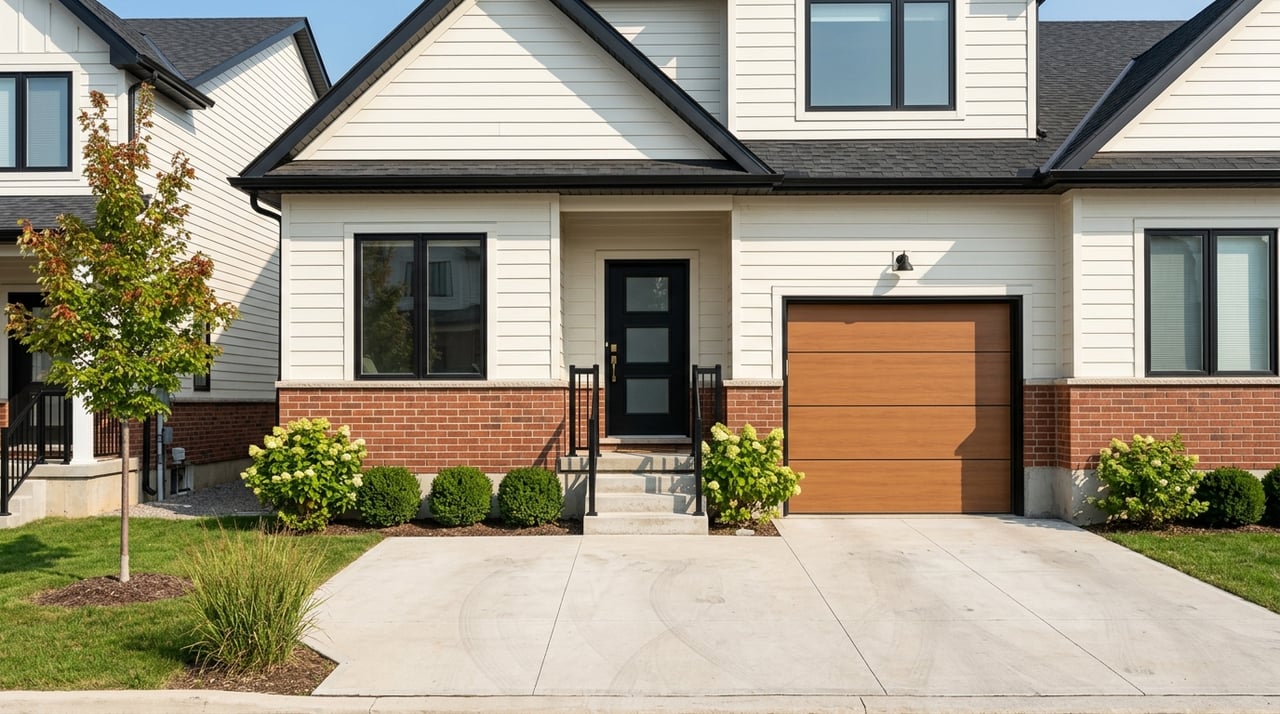
Oak Brook is not only large detached houses. The village also allows attached housing in certain districts, including townhomes and condominiums, and current listings show a mix of single-family homes, condos, townhomes, and land.
Still, attached housing is only one part of the market. If you want less exterior upkeep while still making the move to Oak Brook, it is important to confirm whether a property is in an attached-housing area and what rules apply.
Subdivision rules can vary
One of the biggest surprises for city buyers is how much variation there can be from one Oak Brook property to another. Village code notes that subdivisions can differ in lot sizes, geography, and private covenants and restrictions.
In plain terms, two homes in the same village can come with very different ownership experiences. You will want to look closely at HOA rules, exterior maintenance responsibilities, and any restrictions that affect how you use the property.
Expect Oak Brook to Be a Move-Up Market
Oak Brook is generally a premium market. Current data points vary by source, but they all suggest that buyers should expect pricing well above what many typical Chicago condo owners are used to.
Census QuickFacts lists the median owner-occupied home value at $903,200. Realtor.com shows a median listing home price of $832,000, while Redfin’s March 2026 snapshot shows a median sale price of $1.05 million.
The exact number will change over time, and each source measures the market a little differently. The more important takeaway is that Oak Brook is usually a move-up purchase, not a simple lateral move from a city condo.
Market pace may feel different
Oak Brook is a smaller market, so monthly activity can look uneven. Realtor.com reports 40 median days on market and 60 active listings, while Redfin reported 70 median days on market and only five homes sold in March 2026.
That does not automatically mean homes are sitting. It means inventory is limited, sales volume is smaller, and market stats can shift quickly in a village of this size.
Your Monthly Costs May Change in New Ways
If you own a condo or townhome in Chicago, you are probably used to thinking about mortgage, taxes, insurance, and HOA dues. In Oak Brook, those same categories still matter, but the mix can look very different depending on the property.
For example, an attached unit may still come with HOA fees, while a detached home may replace some shared-building costs with yard care and broader exterior maintenance. Comparing your total monthly cost, not just the purchase price, is one of the smartest ways to evaluate the move.
Ask for the full cost picture
Before you buy, it helps to compare:
- Mortgage payment
- Property taxes
- Homeowners insurance
- HOA dues, if any
- Landscaping or yard care
- Exterior maintenance responsibilities
This side-by-side view is especially useful in Oak Brook because the housing stock is so varied. A condo, townhome, and detached home can offer very different monthly ownership profiles.
Commute Planning Matters More Than You Think
Oak Brook is not one-size-fits-all for commuting
If you are moving from Chicago, commute habits are often one of the biggest changes. Oak Brook has strong regional access, but it does not operate like a neighborhood with one train stop at the center of everything.
The village is actively exploring a last-mile shuttle connection to nearby Metra stations in Elmhurst and Hinsdale, which reflects how many local trips depend on connecting pieces rather than one direct transit line. Your exact address and destination matter a lot.
Transit exists, but most routines are car-based
Pace serves Oak Brook through several routes, including Route 301, Route 322, and Route 332. These routes connect Oak Brook and Oakbrook Center with nearby CTA and Metra access points, including the Blue Line, Pink Line, UP-West line, and Milwaukee District West stations.
That can be helpful, especially if you are used to using transit for part of your trip. But in practice, many day-to-day routines in Oak Brook still depend on driving or on a car-plus-transit combination.
Test the commute before you buy
One of the best things you can do is test your likely weekday routine. Drive the route, check the timing, and think through errands, workouts, and school or activity drop-offs if those are part of your household routine.
In Oak Brook, map distance alone does not tell the whole story. The real question is how the location fits your actual week.
Daily Life Shifts From Dense to Deliberate
Moving from Chicago to Oak Brook does not mean giving up convenience. It usually means your convenience becomes more destination-based, with shopping, dining, recreation, and errands concentrated in key areas rather than spread out block by block.
Oak Brook is known for amenities like Oakbrook Center, the public library, trails and bike paths, recreation facilities, and local events such as Taste of Oak Brook. For many buyers, the tradeoff is simple: less walk-out-the-door density, but more space, easier parking, and a calmer residential setting.
What many city buyers appreciate
Buyers making this move often like the same practical changes:
- More interior space
- More storage
- More private outdoor space, depending on property type
- Easier parking
- A lower-density setting
- Access to shopping, dining, and recreation in concentrated hubs
The shift is not better or worse by default. It is about deciding which daily conveniences matter most to you.
The Address Matters More Than the ZIP Code
Oak Brook spans both DuPage and Cook counties. It is also connected to multiple elementary and high school districts, so details can change from one address to another.
That is why broad assumptions can lead buyers in the wrong direction. When you are evaluating a property, you should verify the exact county, district alignment, and any subdivision-specific rules tied to that address.
Questions worth asking early
Before making an offer, ask your agent to help confirm:
- Which county the property is in
- Which school districts serve the address
- Whether the property is detached or attached housing under local zoning
- Whether there are HOA or covenant rules
- How the commute works from that specific location
- What the all-in monthly ownership cost looks like
These are not small details in Oak Brook. They are part of what defines the ownership experience.
How to Make a Smarter Move From Chicago
If you are leaving a condo or townhome in the city, the biggest adjustment is often mental as much as financial. You are not just buying square footage. You are choosing a different pattern of living.
The best approach is to compare Oak Brook homes through the lens of your daily life. Think about upkeep, commute style, privacy, parking, outdoor space, and how much structure or flexibility you want in the way the property is managed.
A thoughtful home search can help you avoid buying too much house, too little convenience, or the wrong ownership model for your lifestyle. In a market like Oak Brook, that clarity matters.
If you are considering a move from Chicago to Oak Brook, working with a local team that understands western suburban housing patterns can make the process feel much more manageable. JLG Group helps buyers navigate relocation decisions with clear guidance, local insight, and a calm, personal approach.
FAQs
What should Chicago condo owners know before buying in Oak Brook?
- You should expect a more suburban ownership model with more variation by property type, subdivision rules, commute patterns, and monthly costs.
How expensive is the Oak Brook housing market for buyers?
- Current data places Oak Brook in a premium price range, with reported market benchmarks from the low $800,000s for median listing price to over $1 million for median sale price depending on the source.
Are there condos and townhomes in Oak Brook for buyers?
- Yes, Oak Brook includes attached housing such as condos and townhomes, but the village framework still strongly favors detached, low-density residential properties.
How should Oak Brook buyers think about commuting to Chicago?
- Buyers should plan around the exact address and destination because Oak Brook relies on road access, Pace routes, and nearby Metra connections rather than a single in-town rail stop.
Why does the exact Oak Brook address matter to buyers?
- The exact address matters because Oak Brook spans two counties, connects to multiple school districts, and can come with different zoning, HOA, and subdivision rules depending on the property.
What costs should buyers compare when moving from Chicago to Oak Brook?
- Buyers should compare the full monthly picture, including mortgage, taxes, insurance, HOA dues if applicable, yard care, and exterior maintenance responsibilities.