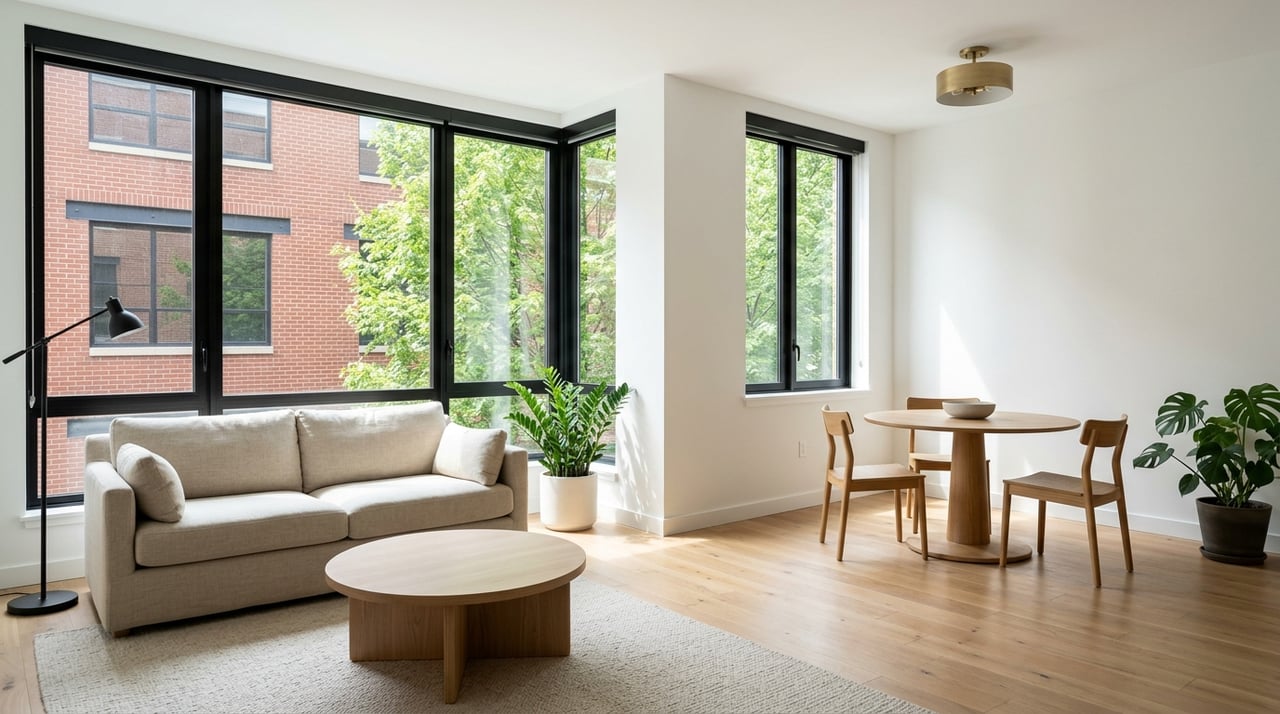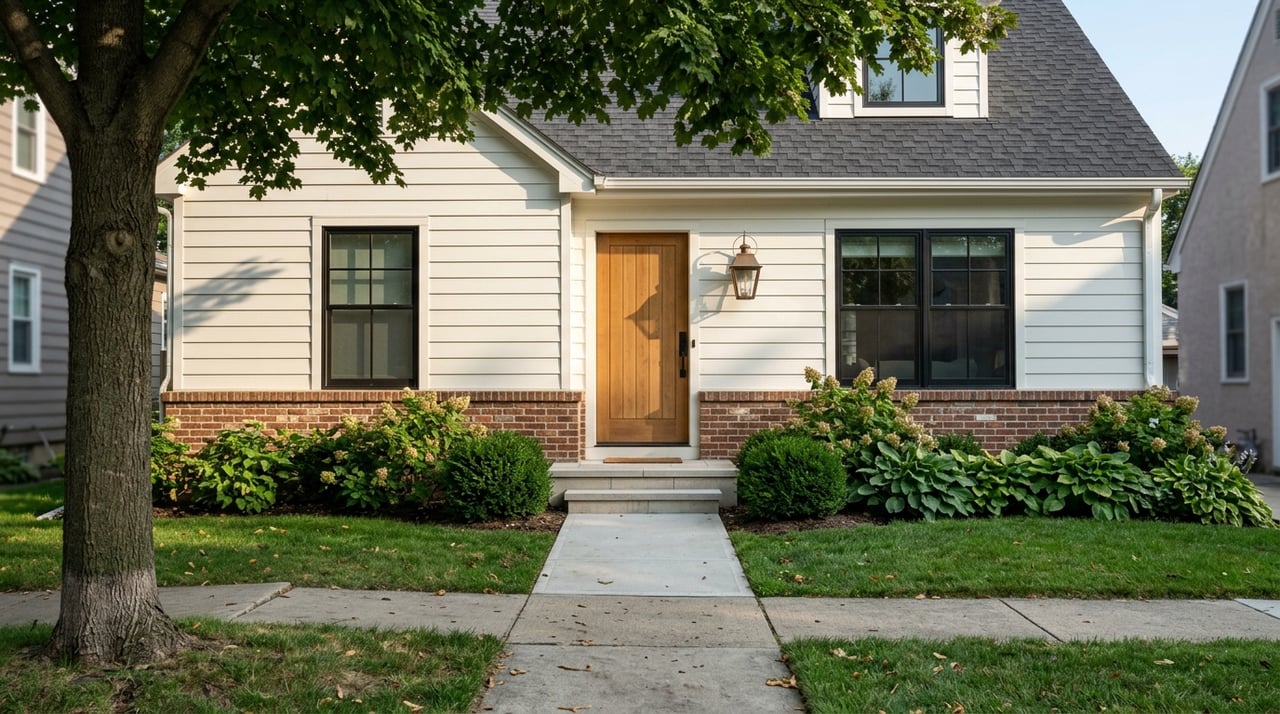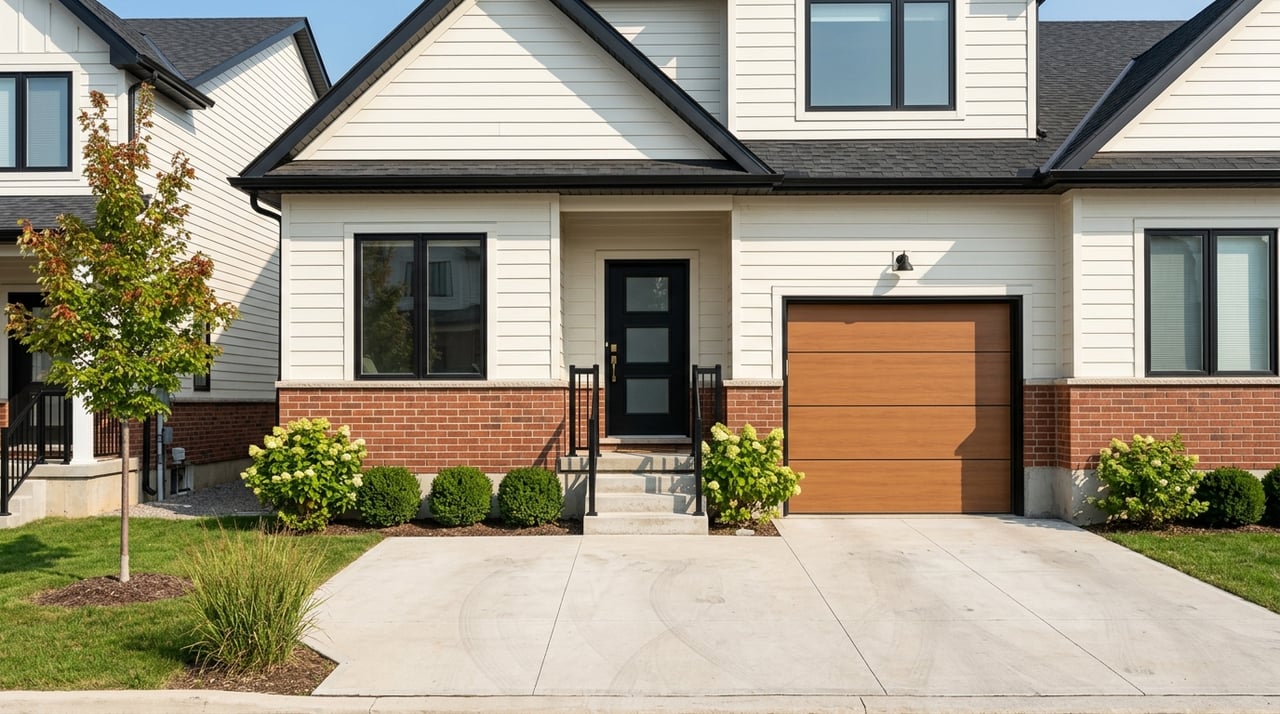
Buying a condo or townhome in Willowbrook can look simple at first glance. You see lower-maintenance living, a smaller footprint, and a location near Route 83 and I-55, and it feels like a practical next step. But in Willowbrook, the real question is not just whether the home works for you today. It is whether the association, monthly costs, and upkeep structure support the lifestyle you want long term. Let’s dive in.
Why attached living stands out in Willowbrook
Willowbrook has a housing mix that makes condos and townhomes especially relevant for buyers. According to CMAP’s 2019 to 2023 snapshot, 44.3% of local housing is in buildings with five or more units, while 13.1% is in three- or four-unit buildings. That means attached housing is a major part of the local market, not a niche option.
The same data also points to a market built around manageable space. Willowbrook has a median year built of 1980, 38.2% of homes have two bedrooms, and the median number of rooms is 5.3. If you want less exterior upkeep and a more efficient layout than a detached house, you are shopping in a village where that tradeoff is common.
Willowbrook’s household profile supports that too. CMAP reports that 31.9% of households are one-person households, 36.5% are two-person households, and 26.6% of residents are age 65 or older. In real terms, that often lines up with buyers who want simpler day-to-day ownership.
What condo and townhome ownership means in Illinois
One of the biggest buyer mistakes is assuming every attached home works the same way. In Illinois, a townhome may be part of a common interest community even if it is not legally a condominium. That means the association rules, shared expenses, and maintenance responsibilities can differ from one property to the next.
The governing documents matter most. The declaration, bylaws, and other association records spell out what the association maintains and what you maintain as the owner. Two homes that look similar on the outside may come with very different obligations.
For condominiums, Illinois law places major responsibilities on the board of managers. That includes common-element upkeep and replacement, annual budgeting, assessment collection, recordkeeping, and insurance. The law also recognizes reserves as part of common expenses, which is why buyers should pay close attention to reserve funding before moving forward.
Why monthly cost matters more than price alone
In Willowbrook, purchase price is only part of the picture. The Census Bureau estimates the median value of owner-occupied housing units at $358,600, with median selected monthly owner costs of $2,118 with a mortgage and $967 without one. For condo and townhome buyers, those numbers are a reminder that monthly carrying cost deserves just as much attention as the list price.
Association dues can change the math quickly. A home that looks affordable on paper may feel very different once you add dues, insurance, and your share of future capital needs. That is why a smart comparison should look at the full monthly budget, not just principal and interest.
When you tour homes, ask what the dues actually cover. Snow removal, landscaping, exterior maintenance, and parts of the insurance may be included, but the exact split depends on the community documents. Clear answers here can help you avoid surprises later.
What to review before you make an offer
Illinois gives resale buyers access to a meaningful set of association documents. In a condominium resale, buyers can inspect the declaration, bylaws, unpaid assessments, anticipated capital expenditures, reserve-fund status, association financial statements, pending suits or judgments, insurance coverage, and a statement about prior-owner improvements. Non-condo common-interest communities have a parallel disclosure structure.
That is a big advantage if you know how to use it. Instead of treating the document package like paperwork to skim, think of it as your window into how the community operates. A well-run association helps protect the low-maintenance promise that often draws buyers to attached living in the first place.
Here are the key items to focus on:
- Monthly dues: Ask exactly what they cover now.
- Reserve funding: Review whether the association has money set aside for future repairs and replacements.
- Capital projects: Look for anticipated major work and how it may be funded.
- Special assessments: Ask whether any are planned, discussed, or likely.
- Insurance: Confirm what the association covers and where your own policy would begin.
- Litigation or claims: Check for pending suits, judgments, or major claim history.
- Unpaid assessments or liens: Make sure the resale documents are clear on the unit’s status.
Willowbrook building age should shape your questions
Willowbrook’s housing stock is not brand new, and that matters when you buy into a shared building or association-governed community. CMAP reports that 61.4% of housing units were built from 1970 to 1989. That age range does not mean a property is a poor choice, but it does mean condition and replacement history deserve careful attention.
During showings, ask practical questions about roofs, windows, balconies, plumbing, and HVAC. In older communities, these systems and components may already have been updated, may be due soon, or may be under review by the association. The answer affects both your monthly costs and your risk of future assessments.
This is also where reserve funding becomes especially important. If a community has older buildings and limited reserves, buyers may face more uncertainty around future repairs. If the buildings are older but the budget and maintenance history are well documented, that can create a much clearer ownership picture.
Who Willowbrook condos and townhomes fit best
Attached living is not just about budget. In Willowbrook, it is often about lifestyle, upkeep, and how you want to spend your time. With Route 83 and I-55 nearby, the village works for many buyers who want a suburban setting with practical road access.
Census data shows a mean travel time to work of 26.8 minutes, with 78.5% of workers driving alone and 10.0% working from home. That commute pattern makes condos and townhomes a sensible option for buyers who want a more manageable home base without taking on full exterior maintenance.
This type of ownership can also appeal to first-time buyers and downsizers. In Willowbrook, the local tradeoff is often straightforward: less yard space and less direct control over every exterior detail in exchange for a smaller footprint and reduced day-to-day upkeep. Whether that feels like a benefit depends on your priorities.
A smart showing-day checklist
When you tour condos and townhomes in Willowbrook, use your time to gather details that affect daily ownership. It is easy to focus on finishes and layout, but the association side of the purchase can shape your experience just as much.
Bring these questions with you:
- What do the monthly dues cover?
- Is this property a condominium or part of a different common interest community?
- What are the owner’s maintenance responsibilities?
- What are the association’s maintenance responsibilities?
- How much is in reserves?
- Are any capital projects planned?
- Have there been recent special assessments?
- Is there any pending litigation or major insurance claim history?
- What insurance does the association carry?
- Have major components like roofs, windows, balconies, plumbing, or HVAC been updated?
If the answers are vague, treat that as a sign to dig deeper. Clear documentation and clear communication usually make for a smoother buying process.
The bottom line for Willowbrook buyers
A condo or townhome in Willowbrook can be a strong fit if you want lower-maintenance living in a market where attached housing is common. But the best purchase is not just the one with the right kitchen, price, or location. It is the one backed by an association that is organized, transparent, and financially prepared for the realities of property upkeep.
When you evaluate attached living through that lens, you put yourself in a stronger position to buy with confidence. If you want help comparing Willowbrook condos and townhomes, reviewing the bigger monthly cost picture, or understanding what to look for in association documents, the team at JLG Group is here to help.
FAQs
What should you ask when buying a condo in Willowbrook?
- Ask about monthly dues, reserve funding, planned capital projects, special assessments, insurance coverage, pending litigation, and which maintenance duties belong to the association versus the owner.
How are townhomes and condos different in Willowbrook?
- In Illinois, some townhomes are part of common interest communities even if they are not condominiums, so the declaration and bylaws determine how maintenance, expenses, and rules are handled.
Why do association reserves matter for Willowbrook buyers?
- Reserves help cover future repairs and replacements, which is especially important in Willowbrook because much of the housing stock was built between 1970 and 1989.
Are condos and townhomes common in Willowbrook?
- Yes. CMAP data shows Willowbrook has a high share of attached housing, including 44.3% of homes in buildings with five or more units and 13.1% in three- or four-unit buildings.
Who might prefer condo or townhome living in Willowbrook?
- Buyers looking for a smaller footprint and less exterior upkeep, including many first-time buyers and downsizers, may find attached living in Willowbrook to be a practical fit.