Thinking about selling your split-level in Lombard and unsure how to price it? You’re not alone. Split-levels are popular in DuPage County, but their unique layout and lower-level space make pricing feel tricky. In this guide, you’ll learn how to choose the right comps, make fair adjustments, and position your home within the right price band so you can attract qualified buyers and maximize your outcome. Let’s dive in.
Know the Lombard split-level market
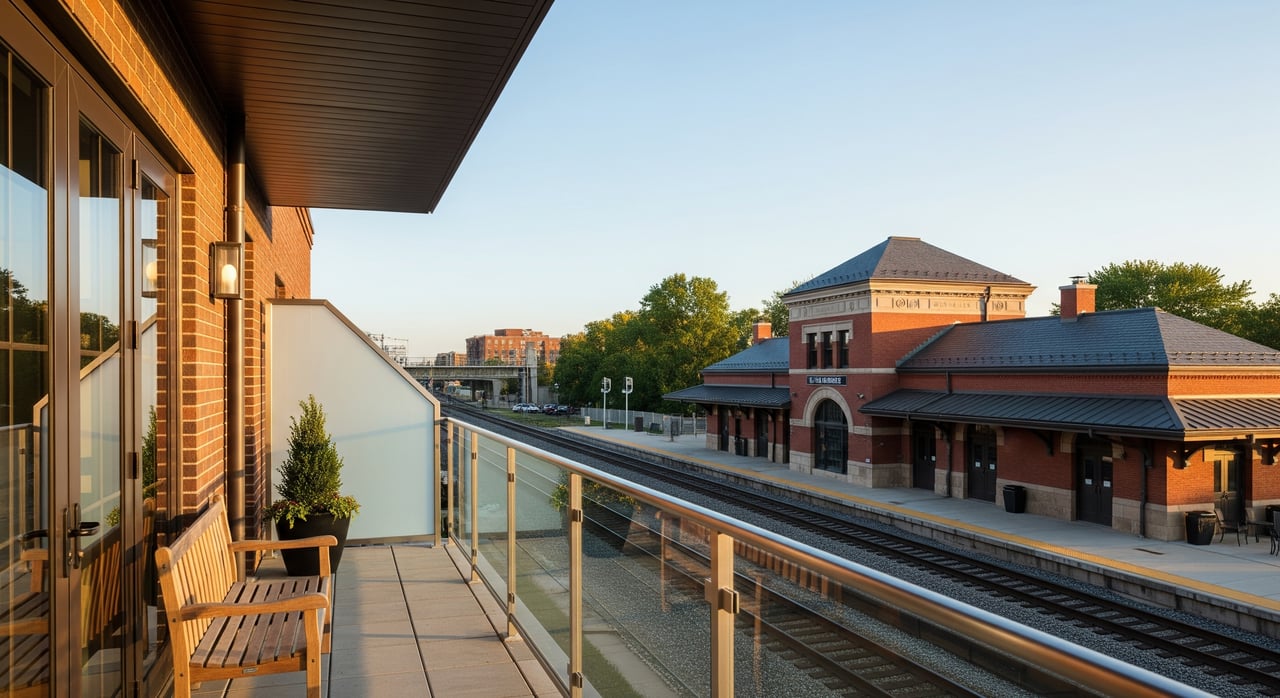
Lombard buyers often focus on commute convenience, proximity to the Metra Union Pacific West Line station, access to downtown Lombard, parks like Lilacia Park, and shopping. These location factors influence both demand and pricing. You’ll also find that property taxes and assessments matter, so it helps to have recent DuPage County tax and assessment information ready during showings.
Local split-levels typically date from the 1950s–1970s, set on modest to medium lots with 2–4 bedrooms. The defining feature is the half-level layout: an entry level, a main living area, a lower-level family room, and upper-level bedrooms. Above-grade living area is what most buyers and appraisers price highest. Finished lower levels add usable space but usually value at a lower rate per square foot than above-grade space.
Define your split-level’s features
Start with a clear list of what you’re selling. Note above-grade gross living area, finished lower-level square footage, bed/bath count, garage size, lot size, and any outdoor amenities. Document the age and condition of big-ticket systems like the roof, HVAC, and windows.
If your kitchen and baths are dated or the floor plan feels closed-off, it can impact buyer interest. On the other hand, open sight lines, bright finishes, and a well-staged lower level can help your split-level compete with newer two-story homes.
Choose the right comps
Match property type and location
Your best comps are other split-levels in the same neighborhood or within about a quarter to one mile. Try to stick within the same school district boundaries and avoid busy arterial streets if your home sits on a quiet block. If split-level comps are scarce, use ranch or two-story comps with clear, transparent adjustments.
Size, beds, baths, and lot
Aim for comps within about 10–15% of your above-grade square footage. Match total bedrooms and baths, especially if you have a primary bath. Adjust for lot size only when the difference meaningfully affects usability, like a much deeper backyard or a corner lot.
Condition and key updates
Buyers respond to renovated kitchens and bathrooms, along with newer systems. A home with recent upgrades usually warrants a premium over a similar property without them. Make sure you factor in finished lower-level space, garage size, parking, and outdoor improvements like patios or decks.
Active and pending context
Use 3–6 recent sold comps as your foundation and add active or pending listings to gauge momentum. In a faster market, list prices and days on market for actives and pendings carry more weight. In a slower market, you may need to expand your sold comp window to 9–12 months.
Make defensible adjustments
Adjustments are estimates that align your comps to your home. Focus on clarity and consistency rather than chasing extreme precision. Common approaches include dollar adjustments, percentage adjustments for features like lot size, price-per-square-foot back checks for above-grade area, and paired-sales analysis to isolate the value of one feature.
Above-grade vs. lower level
Above-grade square footage usually commands the highest rate. Finished lower-level space contributes value but typically at a fraction of the above-grade rate. Be sure you follow local MLS/ANSI guidance for what counts as above-grade.
Kitchens, baths, and systems
Apply dollar adjustments for kitchen and bath condition. A full, recent renovation often earns a stronger premium than cosmetic refreshes. Major systems like roof, HVAC, and windows can be adjusted near estimated replacement cost or typical buyer concessions when older.
Location and lot
Adjust for proximity to the Metra station, parks, and downtown amenities when market patterns show a premium. Likewise, reduce for busy street exposure. For lots, base adjustments on usability and buyer appeal, not just total square feet.
Reconcile to a value range
After making adjustments across your comps, you’ll land on a range rather than a single number. Weigh comps that are closest in layout and location more heavily. Use actives and pendings to verify that your final number will compete well the first week on market.
Price-band strategy
Psychological thresholds matter. Pricing just under a round number can increase your listing’s visibility in common search filters. Align your price-band choice with your goals and market speed:
- Strong market: list toward the top of your adjusted range.
- Balanced market: aim near the middle of the range.
- Need a faster sale or more showings: consider the lower end to stimulate activity and potential multiple offers.
Boost buyer perception
Presentation shapes your pricing power, especially in split-levels.
- Show traffic flow: arrange furniture to open sight lines from the entry into living spaces.
- Spotlight zones: stage the lower level as a flexible bonus area, like a family room or office.
- Brighten the lower level: use warm, bright lighting and lighter paint, and remove heavy drapes.
- Declutter: tighter floor plans can feel cramped when crowded; keep decor simple and clean.
- Refresh curb appeal: neat landscaping, a clean driveway, a fresh front door, and visible address numbers create a strong first impression.
Prep documents and local checks
Gather materials that help buyers and agents validate your price:
- Recent DuPage County tax bill and assessor record.
- Records for utilities, service, and permits for renovations.
- Accurate measurements and professional photos or a floor plan.
- A packet of 3–6 nearby sold comps with photos and days on market.
- Floodplain status via FEMA resources if relevant.
- School boundary confirmation from district sites if buyers ask.
Example pricing workflow
Follow a simple, repeatable process to set your price with confidence:
- Pull 4 recent sold split-level comps closest to your home by location and layout.
- Note each comp’s above-grade square footage, finished lower-level space, beds/baths, sale date, and condition from photos.
- Calculate a base price per above-grade square foot for each comp and compare.
- Adjust for above-grade square footage differences with a local per-square-foot rate.
- Adjust for finished lower-level space at a lower per-square-foot multiplier.
- Add or subtract dollar figures for kitchen/bath condition and major system age.
- Account for location positives or negatives and lot usability differences.
- Reconcile to a tight value range and cross-check against current actives and pendings.
Avoid common pitfalls
- Over-precision: a credible range beats a false exact number.
- Misclassifying space: don’t price lower-level finished area like above-grade space.
- Ignoring layout: a highly functional split-level can outcompete a larger but dated one.
- Skipping market checks: confirm your range aligns with what’s currently going under contract.
Your next steps
If you’re preparing to list, assemble your comps and updates list, then get a comparative market analysis that includes paired-sales examples for lower-level finishes and kitchen upgrades. A concise plan for staging, lighting, and curb appeal can elevate you into a stronger price band without overspending. When you’re ready, we can help you price strategically, prepare with concierge-level touches, and launch with professional marketing that reaches the right buyers.
If you’d like a tailored plan for your Lombard split-level, request your free valuation from the JLG Group. We’ll review your home’s features, recent neighborhood sales, and current actives to recommend a pricing strategy that fits your timing and goals.
FAQs
How should I measure square footage in a split-level for pricing?
- Use above-grade gross living area as your primary metric and treat finished lower-level space as added value at a lower per-square-foot rate.
How far from my Lombard home should I pull comps?
- Start within your neighborhood or about 0.25–1 mile, prioritizing similar blocks and the same school district boundaries when possible.
Do finished basements count the same as living space in Lombard pricing?
- No; finished lower levels add functional space but usually value below the rate of above-grade square footage.
Which updates deliver the best ROI for split-level sellers?
- Renovated kitchens and bathrooms, plus newer roof, HVAC, and windows, generally draw stronger buyer interest than purely cosmetic changes.
How should property taxes influence my list price in DuPage County?
- Be ready to share recent tax and assessment records; higher carrying costs can influence buyer decisions and should be considered when you set your price range.