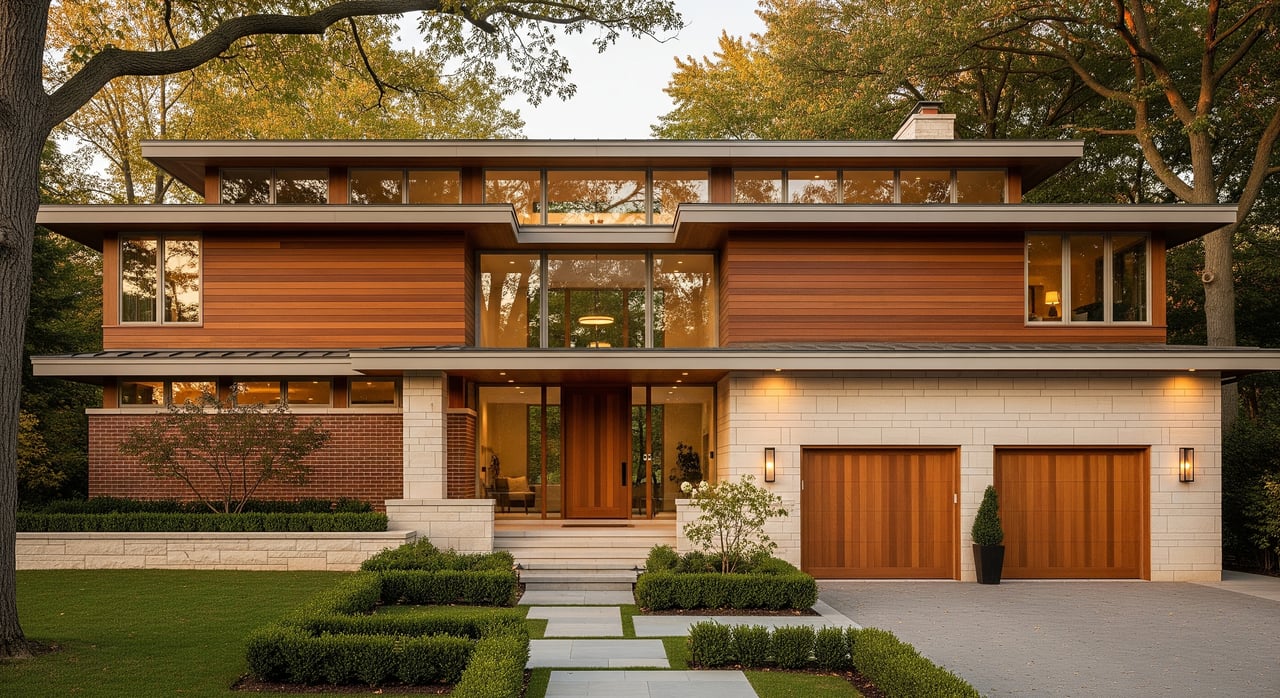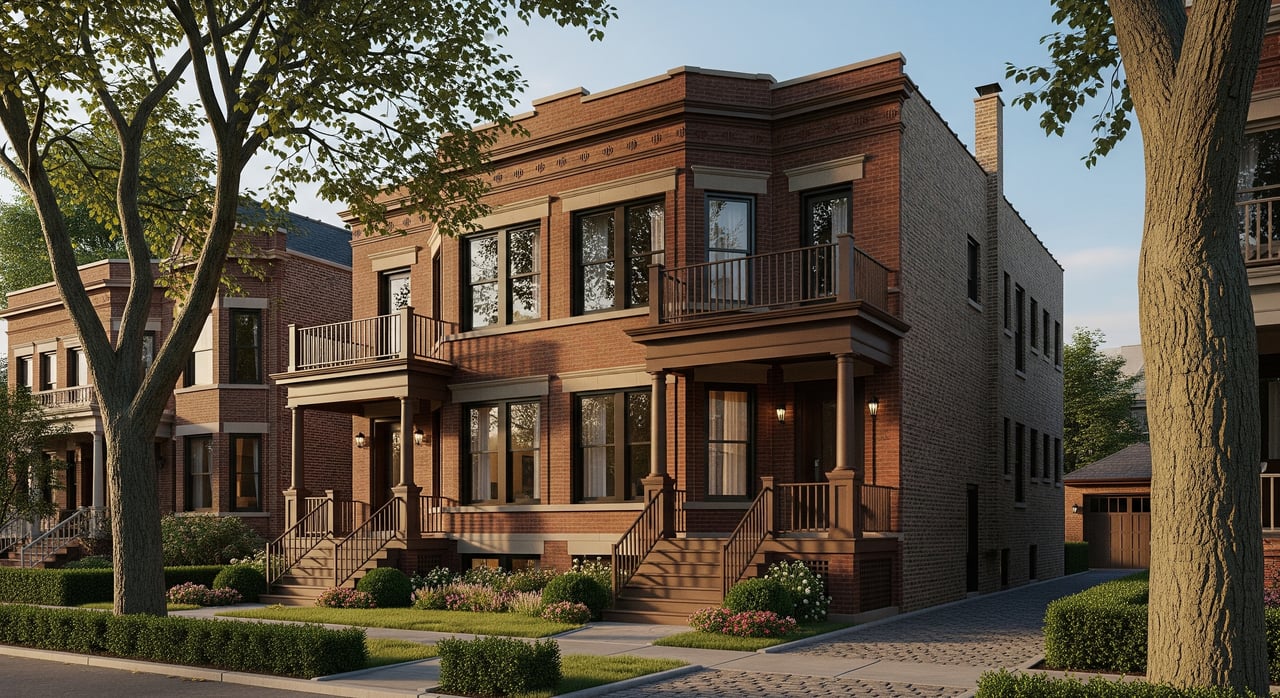
What if your Elmwood Park home could help pay the mortgage? If you are curious about living in one unit and renting the rest, you are not alone. Many buyers are exploring house hacking as a practical way to build equity, reduce monthly costs, and learn the basics of landlording without taking on a large apartment building. In this guide, you will learn what house hacking is, how financing works for 2–4 unit and single-family options, simple math to test a deal, and the local steps to move forward in Elmwood Park. Let’s dive in.
What house hacking means
House hacking is an owner-occupant strategy where you live in one part of a property and rent the rest. In Elmwood Park, that can look like:
- Buying a 2–4 unit building and living in one unit.
- Purchasing a single-family home and renting a spare bedroom or a finished basement, if allowed.
- Adding or converting an accessory dwelling unit, if permitted by local code.
Elmwood Park has a mix of single-family homes and small multi-family buildings, which makes it a practical place to try a live-and-rent approach. Proximity to Chicago also supports renter demand from commuters who want a shorter drive or transit access.
Why Elmwood Park works
Elmwood Park sits in Cook County near the city, which means many renters look for options that balance convenience and neighborhood feel. Small multi-family buildings are part of the local housing stock, so you can find properties that already fit a house-hacking plan. Demand is supported by commuting needs, local amenities, and the steady appeal of near-suburban living.
If you are exploring Elmwood Park, focus on streets and buildings with strong upkeep, legal multi-unit status, and layouts that separate owner and tenant spaces well. This helps with tenant interest and your day-to-day comfort as an on-site owner.
Financing options for owner-occupants
FHA loans
- FHA financing allows eligible buyers to purchase 1–4 unit properties with a commonly low down payment, often around 3.5 percent, if they will occupy one unit as a primary residence.
- Expect program-specific property standards and an appraisal that reviews condition and market factors.
- Lenders may consider a portion of projected rental income for qualifying, based on guidelines.
Conventional loans
- Conventional programs backed by Fannie Mae and Freddie Mac also support owner-occupied 2–4 unit purchases.
- Some first-time buyer options allow low down payments, typically in the 3 to 5 percent range, subject to qualification and mortgage insurance.
- Underwriting and how rental income is counted will differ from FHA, so compare scenarios with your lender.
VA loans
- Eligible veterans can use VA financing to purchase up to four units if they will live in one unit.
- Property condition and underwriting requirements apply.
Occupancy rules and timing
- Most owner-occupant loans require you to move in shortly after closing and intend to stay for an initial period. FHA expects occupancy within about 60 days and intent to occupy for at least 12 months.
- If you plan to switch units or move out earlier, talk with your lender about what is allowed before you act.
Run the numbers with simple math
Before you shop, learn the basic rent-offset math. These steps help you compare properties and decide if a deal fits your budget.
Key assumptions to set
- Vacancy rate: 5 to 10 percent is common for well-located Chicago suburbs. Consider the higher end if you are renting rooms instead of whole units.
- Maintenance and repairs: 5 to 10 percent of gross rent or about 1 percent of property value per year, depending on age and condition.
- Property management: 6 to 10 percent of collected rent if you hire a manager. On-site owners often self-manage to save cost.
- Property taxes and insurance: Use actual Cook County tax bills for the subject property and request local insurance quotes.
- Utilities: If you cover any utilities, include them in expenses. Separately metered units lower your cost exposure.
- Capital expenditures: Set aside 5 to 10 percent of gross rent for bigger items like roofs, systems, or appliances.
Formulas to use
- Gross Rent = Sum of monthly rents from all tenants
- Effective Gross Income (EGI) = Gross Rent × (1 − Vacancy Rate)
- Operating Expenses = Taxes + Insurance + Maintenance + Utilities (owner paid) + Management + HOA + CapEx reserves
- Net Operating Income (NOI) = EGI − Operating Expenses
- Cap Rate = NOI ÷ Purchase Price
- Cash Flow Before Debt Service = NOI − Annual Mortgage Payments
- Cash-on-Cash Return = Annual Cash Flow Before Taxes ÷ Total Cash Invested
Note: Mortgage principal is not part of NOI. It affects cash flow and equity build, but NOI measures the asset’s operating performance alone.
Example walkthrough
Use the template below and plug in Elmwood Park numbers you gather from your lender, tax records, and current listings.
- Purchase price: P
- Down payment: DP (for example, 3.5 percent for FHA or 5 to 20 percent for conventional programs you qualify for)
- Loan amount: P − DP
- Monthly rents: Unit 1 = R1, Unit 2 = R2, etc. Gross Rent = R1 + R2 + ...
- Vacancy rate: v (for example, 7 percent means EGI = Gross Rent × 0.93)
- Annual operating expenses: Sum of property taxes T, insurance I, maintenance M, management mgmt, utilities U, and reserves C
- Annual mortgage payments: Use your interest rate and term from a lender quote
- Annual cash flow: EGI − Operating Expenses − Annual Mortgage Payments
- Cash-on-Cash: Annual cash flow ÷ (DP + closing costs + initial repairs)
This gives you a clean view of rent coverage and risk. Run a best case and a conservative case so you understand your cushion.
Property types to consider
Two to four units
A 2–4 unit building lets you live in one unit and rent the others. Financing programs support this setup for owner-occupants, and separate utilities make expenses easier to manage. Look for legal multi-unit status and solid unit separation for privacy.
Single-family with room rentals
If you prefer a single-family home, you can rent extra bedrooms or a finished basement where allowed. This often gives you more living space while still offsetting a portion of the mortgage. Use clear house rules and written room agreements.
ADUs and conversions
Some owners consider adding or converting an accessory dwelling unit. Whether that is legal depends on Elmwood Park’s zoning and building rules. Get written confirmation from the village before planning any work, and make sure life-safety and parking standards are understood.
Zoning and legal basics
- Verify zoning: Confirm that your property is legally a duplex or multi-family if you intend to rent separate units. Illegal conversions can be hard to finance and insure.
- Confirm permits: Ask the Elmwood Park Building Department what permits and inspections are needed for new work, unit splits, or ADUs.
- Check occupancy: Verify the certificate of occupancy and any local rental registration or inspection requirements.
- Know landlord rules: Illinois and local ordinances set standards for deposits, disclosures, habitability, and lead paint for pre-1978 housing. Review the latest guidance and consider talking with a local attorney for specific questions.
Operating tips for on-site owners
Management choices
- Self-manage to save monthly fees if you are comfortable with leasing, maintenance scheduling, and tenant communication.
- Hire a professional manager for 6 to 10 percent of rent if you want help with leasing, rent collection, and notices.
- Many owners use a hybrid approach, handling day-to-day while outsourcing leasing and legal paperwork.
Screening and leases
- Use consistent screening criteria that comply with fair housing laws.
- Put everything in writing. Even if you are renting rooms, use a written agreement and clear house rules.
- Schedule regular maintenance to keep units in good shape and reduce turnover.
Budgeting and reserves
- Plan for small emergencies, make-ready costs, and seasonal maintenance.
- Keep a reserve fund for capital items like roofs, HVAC, or electrical upgrades.
Insurance and liability
- Ask for a landlord or owner-occupied policy with a rental endorsement. Multi-unit properties often need specialized coverage.
- Coverage can differ if you rent rooms versus a separate unit, so get quotes for your exact setup.
Step-by-step plan in Elmwood Park
- Define your goal. Decide if you prefer a 2–4 unit or a single-family with room rentals.
- Talk to a lender. Compare FHA, conventional, and VA options and learn how rental income will be treated.
- Set your buy box. Pick price ranges, unit sizes, and locations that align with demand and your budget.
- Verify zoning early. Confirm legal unit status and any ADU or conversion potential with the village.
- Underwrite the deal. Use the formulas above with real Elmwood Park rents, tax bills, insurance quotes, and a realistic vacancy rate.
- Inspect thoroughly. Address safety and habitability items that affect leasing and insurance.
- Prepare for leasing. Draft leases, house rules, and a simple maintenance plan.
- Occupy on time. Follow your loan’s occupancy timing and keep documentation.
- Track performance. Monitor rent coverage, expenses, and reserves so you can adjust quickly.
How much can rent cover?
There is no single number that applies to every Elmwood Park property. Start with realistic market rents for comparable units or rooms. Apply a vacancy factor, subtract operating expenses, and compare the result to your annual principal and interest. The stronger the unit mix and the more disciplined your expenses, the higher the coverage.
Work with a local guide
If house hacking fits your goals, partnering with a neighborhood-focused team helps you avoid costly mistakes. We can help you compare financing paths, identify legal multi-unit options, analyze rent potential, and navigate village rules before you commit. When you are ready to explore Elmwood Park opportunities, reach out to the JLG Group for a friendly consult and local guidance tailored to your plan.
FAQs
What is house hacking for Elmwood Park buyers?
- House hacking means you live in one part of a property and rent the rest, often a 2–4 unit building or a single-family home with rentable rooms or a finished basement where allowed.
Which loans support 2–4 unit purchases?
- FHA, conventional, and VA programs all have owner-occupant options for up to four units, each with its own down payment, underwriting, and property condition rules.
How soon must I move in with an FHA loan?
- FHA expects you to occupy the home as a primary residence within about 60 days and intend to live there for at least 12 months.
What vacancy rate should I use in my math?
- Many owners use 5 to 10 percent for well-located suburban units and a higher number when renting rooms due to shorter stays and turnover.
Are ADUs or basement units always allowed in Elmwood Park?
- Not always. You must verify zoning, permits, egress, parking, and inspection requirements with the village before planning an ADU or a conversion.
Do I need a property manager if I live on-site?
- Not necessarily. On-site owners often self-manage to save 6 to 10 percent in fees, but you can hire leasing or full management services if you prefer help.
What insurance should I carry as a house hacker?
- Ask for a landlord or owner-occupied policy with a rental endorsement, and confirm coverage details if you rent rooms versus a separate unit.